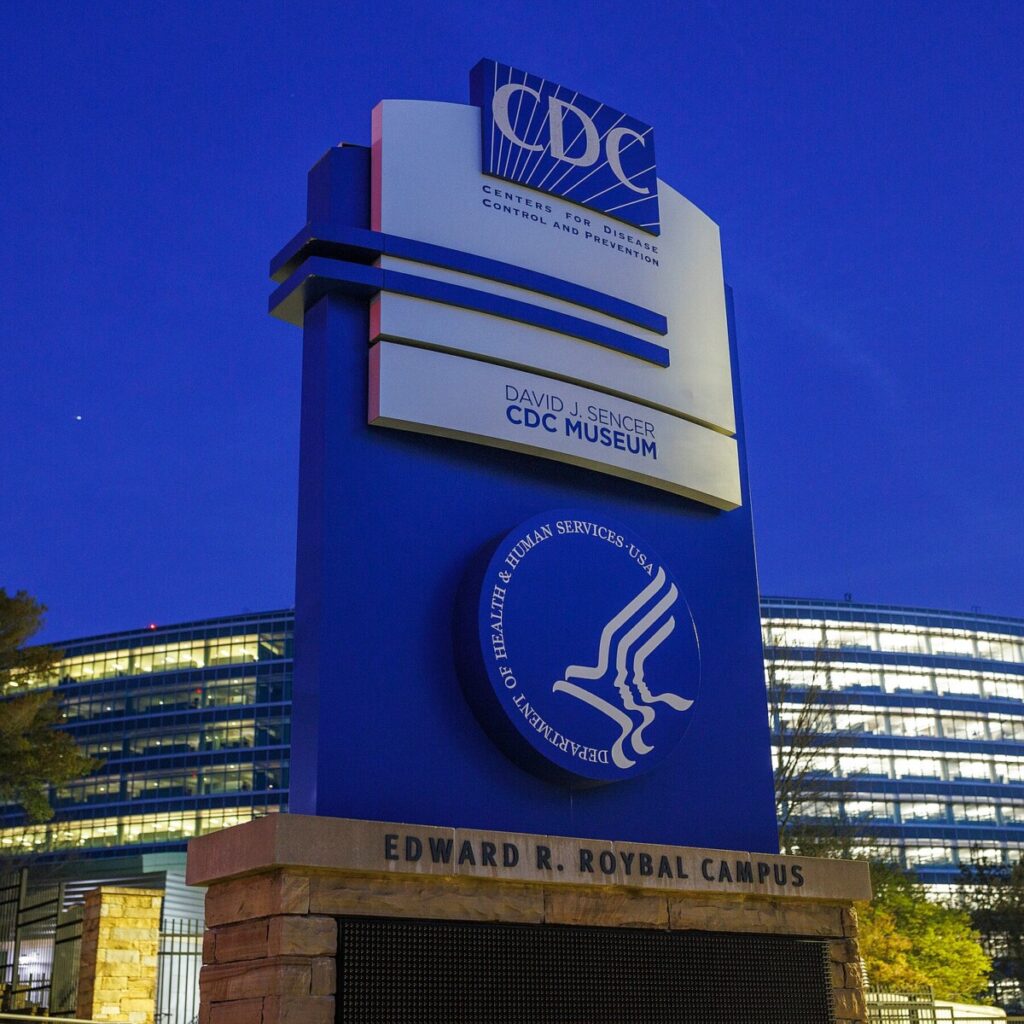
C.D.C. Website No Longer Rejects Possible Link Between Autism and Vaccines
In a striking statement that has sparked renewed debate, the Centers for Disease Control and Prevention (CDC) has updated its webpage to clarify its stance on the contentious relationship between vaccines and autism. The agency now asserts that the claim “vaccines do not cause autism” is not fully evidence-based, as existing studies have not definitively ruled out the possibility that infant vaccines could contribute to the development of autism spectrum disorder (ASD). This statement has ignited discussions among parents, healthcare professionals, and researchers, as it seems to reframe a long-standing consensus within the medical community that vaccines are safe and do not cause autism.
Historically, the notion that vaccines, particularly the MMR (measles, mumps, and rubella) vaccine, are linked to autism gained traction following a now-discredited study published in 1998 by Andrew Wakefield. Subsequent extensive research has overwhelmingly supported the safety of vaccines, with numerous studies involving large populations demonstrating no causal relationship between vaccination and autism. However, the CDC’s recent language shift suggests a more cautious approach, emphasizing the need for ongoing research to fully understand the complexities of autism’s etiology. This nuanced position has led to confusion and concern among parents who may be seeking clear guidance on vaccine safety, particularly in light of the resurgence of vaccine misinformation on social media platforms.
The CDC’s updated statement highlights the importance of transparency in public health messaging, especially in an era where misinformation can easily spread. While the scientific community largely supports vaccination as a critical public health measure that prevents serious diseases, the acknowledgment of uncertainty regarding autism’s origins may inadvertently fuel vaccine hesitancy among some parents. As the conversation around vaccines continues to evolve, it is crucial for public health officials to communicate effectively, balancing the need for rigorous scientific inquiry with the imperative to maintain public trust in vaccination programs. This ongoing dialogue will be essential in addressing the concerns of parents while reinforcing the importance of vaccination for community health.
The current C.D.C. webpage states: “The claim ‘vaccines do not cause autism’ is not an evidence-based claim because studies have not ruled out the possibility that infant vaccines cause autism.”