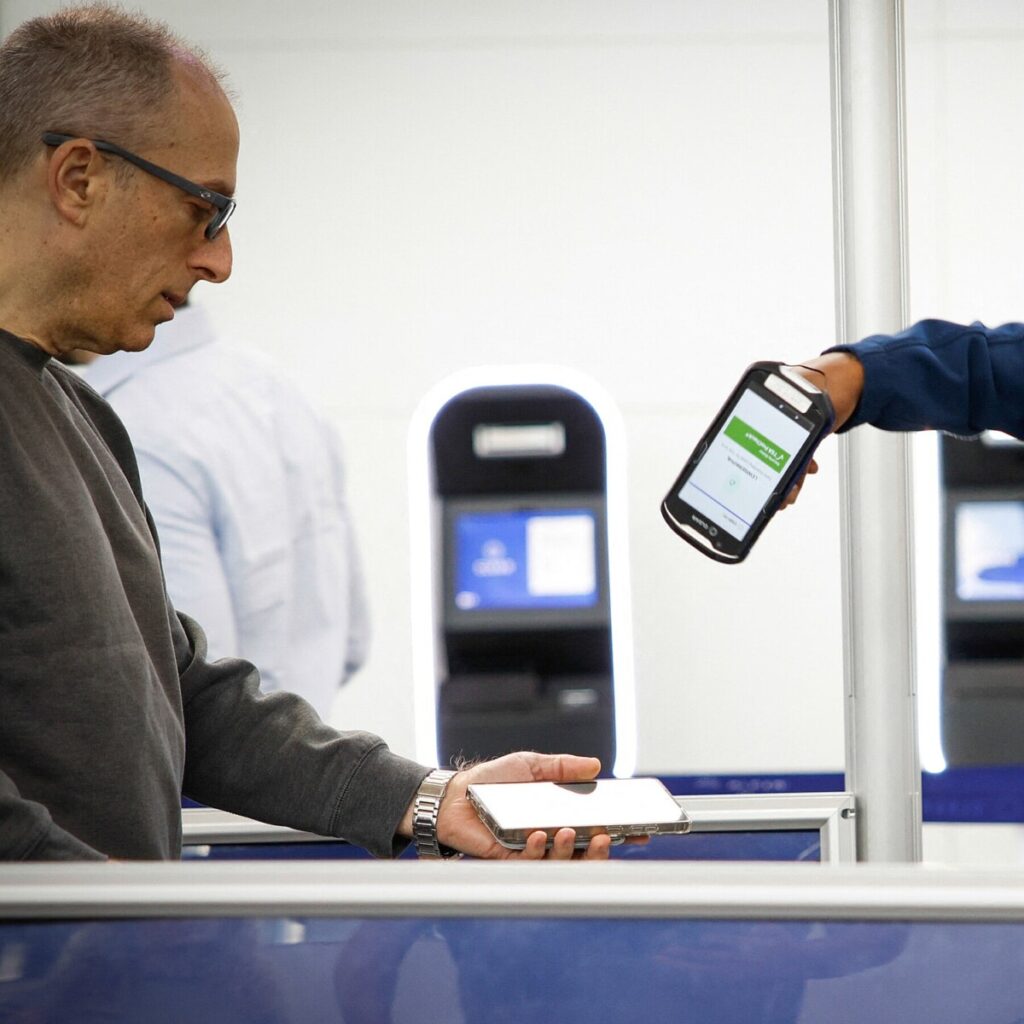
What’s a Digital Passport and How Does It Work?
In recent years, the rise of digital identification has transformed the way we travel, making the process more efficient and secure. Major tech companies like Apple and Google have stepped into this space by introducing their own versions of digital passports, which are now being adopted at various airports across the United States. This innovative approach allows travelers to store their identification and travel documents on their smartphones, streamlining the check-in and security processes. With the increasing prevalence of smartphones in daily life, digital passports offer a convenient alternative to traditional physical documents, reducing the risk of loss or theft while traveling.
Apple’s digital wallet feature, Apple Wallet, now supports digital IDs in select states, allowing users to securely upload their driver’s licenses or state-issued IDs. This feature not only enhances convenience but also integrates seamlessly with existing travel apps, enabling users to access boarding passes and other essential travel documents all in one place. Similarly, Google has rolled out its own version through Google Pay, which includes the ability to store digital identification. These digital passports are designed with advanced security features, such as encryption and biometric authentication, to protect users’ personal information.
As these digital identification systems gain traction, airports are beginning to adopt the technology, with several major hubs already allowing travelers to use their smartphones for identity verification at various checkpoints. This shift towards digital identification is not only about convenience; it also reflects a broader trend towards modernization in the travel industry. For example, airports are increasingly investing in biometric screening technologies that enable faster processing times, enhancing the overall travel experience. As more travelers embrace digital identification, the future of air travel may very well be defined by the seamless integration of technology and personal convenience, paving the way for a more efficient travel ecosystem.
https://www.youtube.com/watch?v=SrBI-8gdeUA
Using digital identification while traveling has become increasingly common. Both Apple and Google have introduced versions of digital passports, which can be used at many airports around the country.