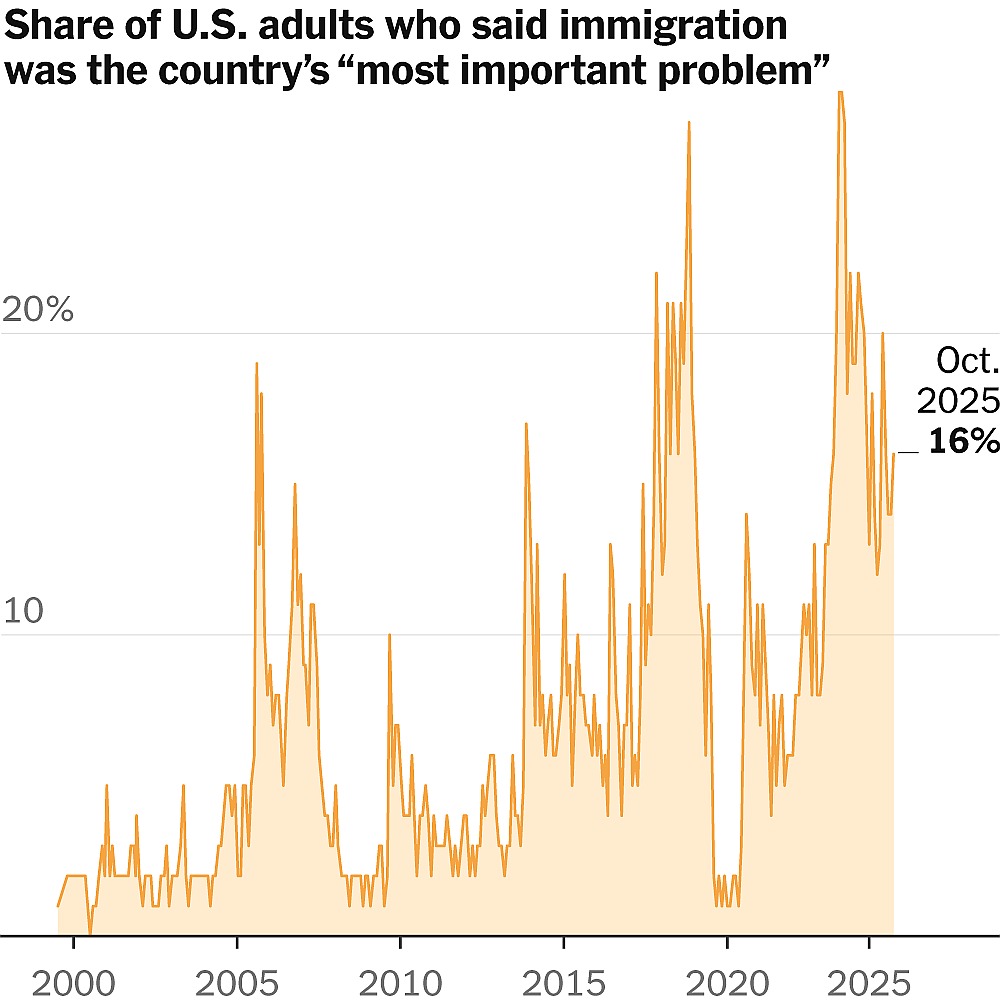
What Polls Say About Americans’ Views on Immigrants and Immigration
Recent analyses of public opinion polls reveal significant variability in attitudes toward immigration, heavily influenced by the framing of poll questions. In the United States, immigration remains a contentious topic, and the way questions are posed can lead to dramatically different responses. For instance, when polls emphasize the economic benefits of immigration, such as filling labor shortages and contributing to economic growth, respondents tend to express more favorable views. Conversely, when questions highlight potential negative impacts, such as crime or job competition, public sentiment shifts towards a more critical stance. This discrepancy underscores the importance of language and context in shaping public opinions on immigration issues.
Key examples from various polls illustrate this phenomenon. A survey conducted by a prominent research organization found that when respondents were asked about “immigrants contributing to the economy,” a significant majority expressed support for increasing immigration levels. However, when a similar poll framed the question around “illegal immigration and its impact on local communities,” support for stricter immigration policies surged. This divergence suggests that public opinion is not monolithic but rather fluid, influenced by the specific details and context presented in survey questions. Furthermore, demographic factors such as age, education, and geographic location also play crucial roles in shaping individuals’ perspectives on immigration, adding another layer of complexity to the discourse.
Understanding these nuances is essential for policymakers and advocates as they navigate the public’s sentiments on immigration. The findings highlight the necessity for careful consideration in how immigration-related questions are framed in both polls and public debates. As the U.S. continues to grapple with immigration reform, recognizing the variability in public opinion can aid in crafting messages that resonate more effectively with diverse audiences. Ultimately, this analysis not only reveals the intricacies of public opinion but also serves as a reminder of the power of language in shaping societal views on critical issues like immigration.
A review of polls of the general public shows how opinions on immigration vary widely based on the details included in poll questions.