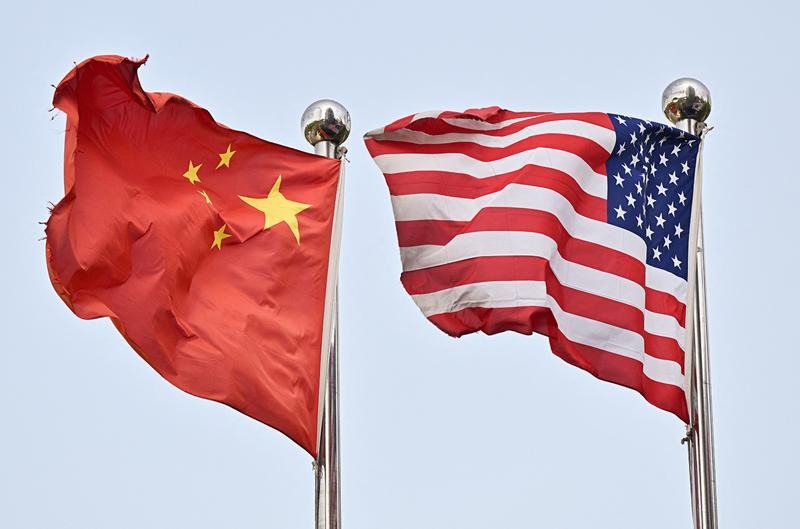
U.S. Congress considers sweeping ban on Chinese collaborations
In a growing climate of geopolitical tension, a recent proposal by some U.S. lawmakers has sparked significant concern among researchers and academic institutions. The proposal aims to restrict federal funding for American scientists who collaborate with Chinese partners or engage in training Chinese students. This initiative, framed as a national security measure, has drawn sharp criticism from the scientific community, which argues that such restrictions could severely hinder scientific progress and undermine international collaboration that has historically driven innovation.
Researchers assert that collaboration with international partners, including those in China, is vital for advancing knowledge in critical fields such as climate science, public health, and technology. For instance, joint efforts in tackling global challenges like the COVID-19 pandemic have underscored the necessity of cross-border collaboration. Many scientists emphasize that restricting funding based on nationality could isolate U.S. researchers from valuable insights and resources, ultimately stifling innovation and competitiveness. Furthermore, the proposal could also deter talented international students from pursuing studies in the U.S., which could lead to a brain drain and diminish the country’s status as a global leader in research and education.
Critics of the proposal argue that it reflects a broader trend of politicizing science and fostering an environment of distrust, rather than promoting constructive dialogue and cooperation. They highlight that the scientific community thrives on diversity and collaboration, which are essential for addressing complex global issues. By fostering an inclusive environment where ideas can flow freely across borders, researchers believe that the U.S. can continue to lead in scientific advancements while maintaining its national security interests. As the debate unfolds, many in academia are calling for a more nuanced approach that balances security concerns with the imperative of maintaining robust international scientific partnerships.
Researchers speak out against proposal that would bar funding for U.S. scientists working with Chinese partners or training Chinese students


