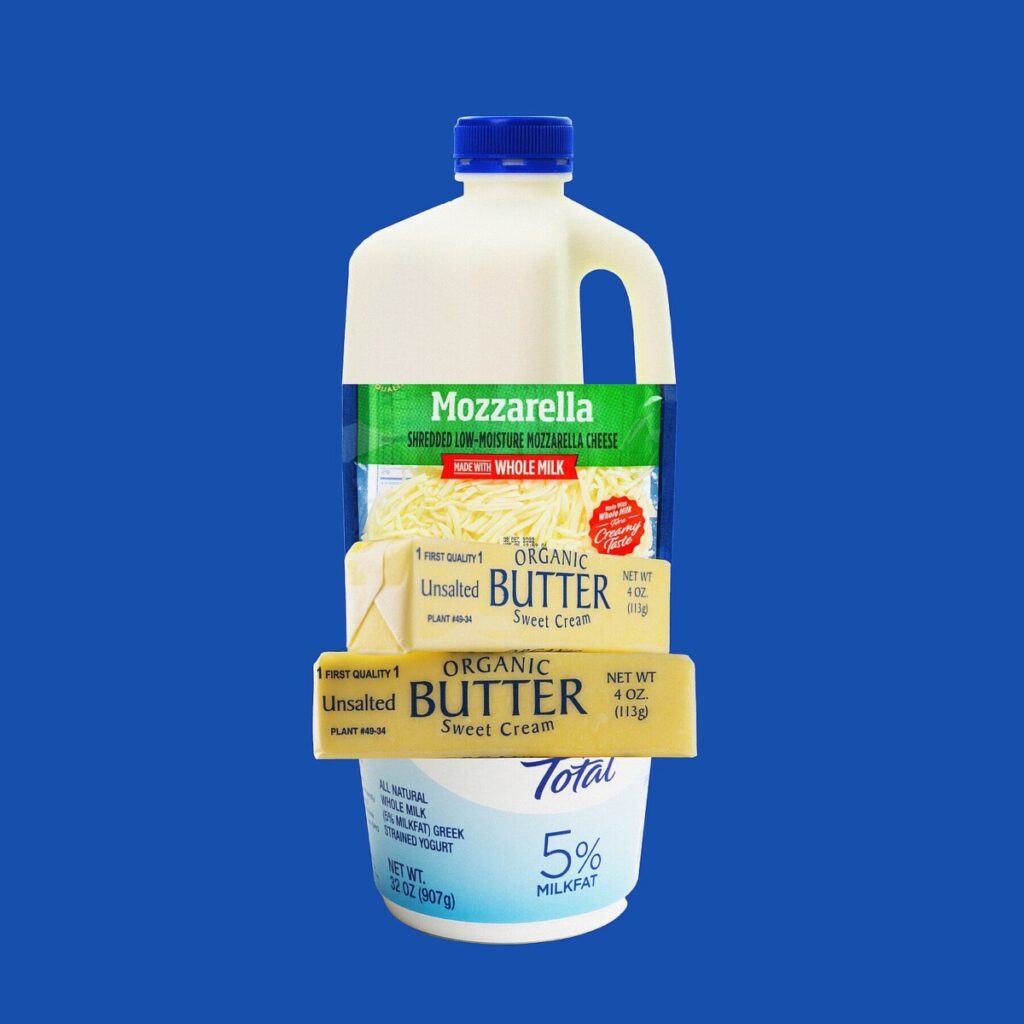
Is Full-Fat Dairy Healthier?
For decades, health authorities in the United States have championed low-fat dairy products as a healthier choice, promoting them as a means to reduce saturated fat intake and lower the risk of heart disease. This long-standing dietary guidance has shaped consumer behavior, with many Americans opting for skim milk, low-fat yogurt, and reduced-fat cheeses in the belief that these choices are more beneficial for their health. However, recent statements by Robert F. Kennedy Jr., a prominent figure in the anti-vaccine movement and a candidate for the 2024 presidential election, have sparked a renewed debate over the merits of low-fat dairy. Kennedy argues that the emphasis on low-fat options may be misguided and that whole-fat dairy products could actually offer more health benefits than previously acknowledged.
Kennedy’s critique is rooted in emerging research that suggests whole-fat dairy may play a role in reducing the risk of obesity, diabetes, and heart disease, contrary to the traditional view that links saturated fat to adverse health outcomes. Studies have indicated that whole milk and full-fat yogurt can contribute to a healthier metabolic profile and even help in weight management. For instance, a study published in the American Journal of Clinical Nutrition found that individuals who consumed full-fat dairy products had a lower risk of developing obesity compared to those who primarily consumed low-fat options. This shift in perspective challenges the decades-old narrative that has dominated dietary recommendations and raises questions about the influence of food industry lobbying on public health guidelines.
As Kennedy’s views gain traction, they invite a broader discussion about dietary fats and their role in nutrition. Advocates of whole-fat dairy emphasize the nutritional benefits, including higher levels of essential fatty acids and fat-soluble vitamins, which are often diminished in low-fat alternatives. However, the conversation is complex, as public health officials continue to advocate for moderation and balanced diets. As consumers navigate these conflicting messages, the debate over low-fat versus whole-fat dairy serves as a reminder of the evolving nature of nutritional science and the importance of critically evaluating health recommendations. With Kennedy’s remarks in the spotlight, it’s clear that the conversation about dairy consumption in America is far from settled, prompting individuals to reconsider their choices in light of new evidence and perspectives.
Americans have been told to prioritize low-fat dairy for decades, but Robert F. Kennedy Jr. has called that recommendation into question.


