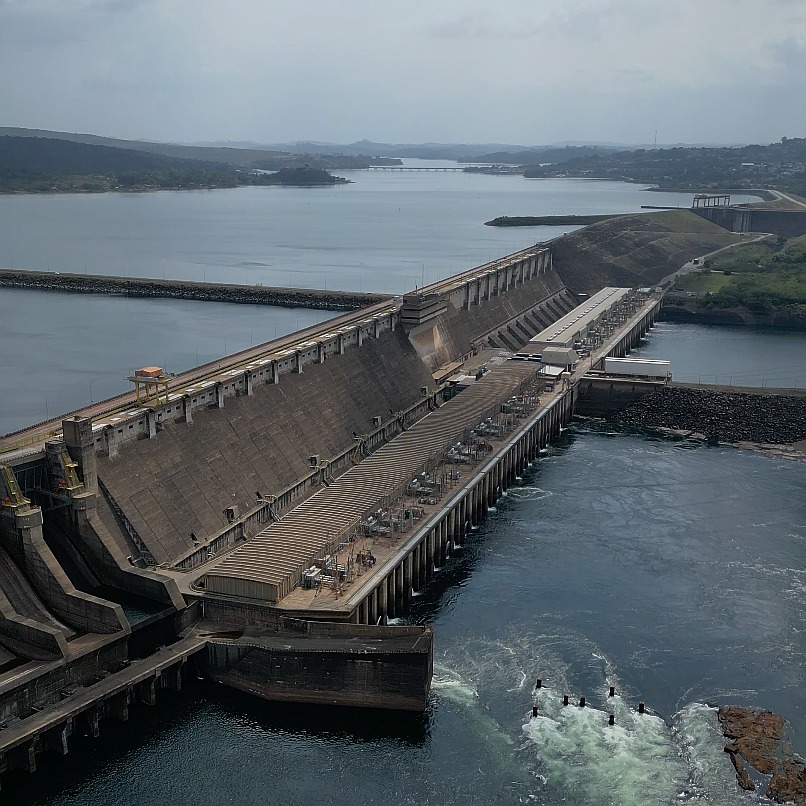
Hydropower Is Getting Less Reliable as the World Needs More Energy
As global demand for energy surges, hydroelectric plants, which have long been a cornerstone of clean energy production, are facing significant challenges due to the increasing frequency of extreme weather events. Droughts and floods, both exacerbated by climate change, are disrupting the delicate balance required for these facilities to operate efficiently. For instance, regions that traditionally rely on consistent water flow for energy generation are experiencing drastic fluctuations, causing power shortages and forcing utilities to seek alternative sources of energy, often at a higher environmental cost. This shift not only threatens the stability of energy supplies but also raises concerns about the long-term viability of hydroelectric power as a sustainable energy solution.
The impact of climate change on hydroelectric plants is evident in various parts of the world. In the western United States, prolonged droughts have led to significantly reduced water levels in reservoirs, diminishing the capacity of hydroelectric facilities to generate power. Conversely, heavy rainfall and flooding can overwhelm these systems, leading to operational challenges and increased maintenance costs. For example, the recent floods in California have not only damaged infrastructure but also disrupted the production of hydroelectric power, leading to increased reliance on fossil fuels to meet energy demands. As a result, the very essence of hydroelectric power—its role as a clean and renewable energy source—is being called into question, highlighting the urgent need for adaptive strategies within the energy sector.
In response to these challenges, experts emphasize the importance of diversifying energy portfolios and investing in modernizing existing hydroelectric infrastructure. Innovations such as improved water management systems and the integration of renewable energy technologies can help mitigate the effects of extreme weather on hydroelectric production. Additionally, policymakers are urged to implement comprehensive climate action plans that address both the immediate and long-term impacts of climate change on energy systems. As the world navigates the complexities of transitioning to a sustainable energy future, the resilience of hydroelectric power will play a critical role in achieving climate goals, provided that proactive measures are taken to safeguard this vital resource against the looming threats posed by a changing climate.
Demand for power is growing fast, but hydro plants, the oldest source of clean energy, are struggling because of droughts, floods and other extreme weather linked to climate change.


