7 vintage Thanksgiving side dishes most people don’t make anymore
Thanksgiving has long been a cherished holiday in the United States, marked by gatherings of family and friends around a table laden with traditional dishes. However, the culinary landscape of Thanksgiving has evolved significantly over the decades. While contemporary menus prominently feature staples such as mashed potatoes, stuffing, and cranberry sauce, many nostalgic dishes that once graced the Thanksgiving table have fallen out of favor. In a time when Jell-O salads and hot Dr Pepper were commonplace, the shift in American palates reflects broader cultural and economic changes that have influenced our food choices.
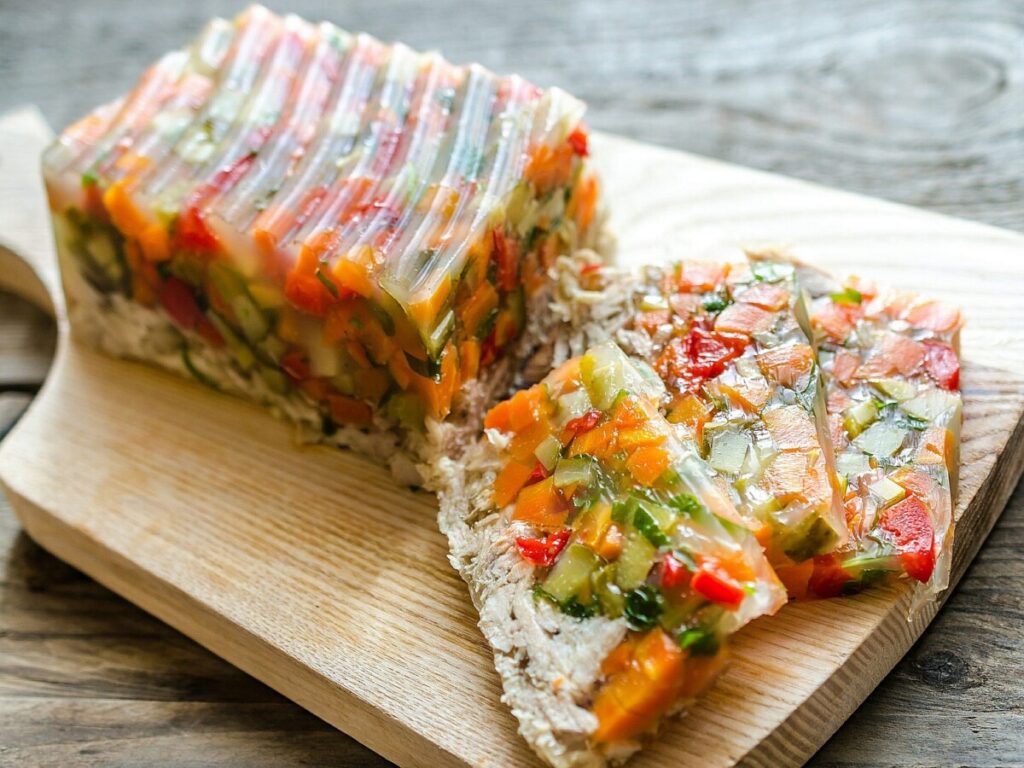
Historically, gelatin-based dishes like aspic and savory Jell-O salads were popular, particularly during the 1930s and 1960s. Aspic, a savory jelly made from stock, was a creative way to use up leftover turkey, often combined with vegetables and cream soups. A modern-day attempt to recreate a vintage Jell-O recipe from a 1975 cookbook highlighted the unusual combination of turkey, frozen vegetables, and ranch dressing, eliciting mixed reviews from those brave enough to try it. Food historian Sarah Wassberg Johnson notes that savory gelatin dishes were once a staple of festive meals, but as tastes have shifted, they have largely vanished from contemporary Thanksgiving celebrations. Sweet gelatin desserts, like the “spring basket dessert,” have also faded into obscurity, replaced by more traditional pies and cakes.
Despite the decline of many vintage dishes, some, like ambrosia salad, have managed to retain a place in certain regions, particularly in the South. Ambrosia typically combines canned fruit, mini marshmallows, and sometimes Cool Whip or cottage cheese, evoking fond memories for those who grew up with it. Other once-popular items, such as canned creamed corn and Hot Dr Pepper, have similarly lost their appeal, as fresh ingredients have taken precedence in modern cooking. Even quirky recipes like Hellmann’s “Cranberry Surprise,” which blends cranberries with mayonnaise, have become relics of a bygone era. As Thanksgiving continues to evolve, the contrast between past and present menus serves as a reminder of how our culinary preferences are shaped by time, culture, and nostalgia.
It’s not as common to turn Thanksgiving leftovers into aspic anymore.
Alexander Prokopenko/Shutterstock
Today, Thanksgiving tables typically feature side dishes like mashed potatoes and mac and cheese.
Once-popular options like Jell-O salads and hot Dr Pepper are no longer part of the celebrations.
However, some people still like to make dishes like ambrosia salad for nostalgia’s sake.
No festive
Thanksgiving
gathering would be complete without a table heaped with steaming dishes. These days, the most popular
side dishes
include mashed potatoes, rolls, stuffing, and cranberry sauce.
Thanksgiving spreads haven’t always looked this way. There was a time when
Jell-O creations and canned products
reigned supreme.
These vintage food trends were often driven by economic factors, involving ingredients that were inexpensive or readily available in past decades.
Gelatin, for example, became a popular foundation for meals during the 1930s after the Great Depression because it was an inexpensive source of protein. According to
The Oxford Encyclopedia of Food and Drink in America
, close to a third of all cookbook recipes from this time period were gelatin-based.
Here are seven unique Thanksgiving menu items that have mostly fallen out of vogue.
Turkey leftovers were turned into aspic.
Turkey aspic.
Ann_Zhuravleva/Shutterstock
One dish that used
gelatin
was aspic, a savory jelly made from stock that firms up when chilled. It would hold meat, fish, or vegetables.
In 2015, YouTuber and vintage recipe enthusiast
ThisMidlifeMillennial
tried a vintage Thanksgiving leftover Jell-O recipe from a 1975 cookbook called “Carefree Cooking with Aluminum Foil.” The recipe called for turkey, frozen vegetables, cream of celery soup, and ranch dressing mixed with gelatin.
“I probably would not eat this again, but it’s not the worst thing I’ve ever had,” she said.
Savory Jell-O salads made for festive centerpieces.
Sunset Salad is an oldie but goodie from Jell-O.
Keith Beaty/Toronto Star via Getty Images
Jell-O salads
were popular in the 1950s and 1960s.
A Jell-O dish with radishes, scallions, and a few tablespoons of vinegar wouldn’t have been out of the ordinary at a festive meal. Some people continue to serve them up on Thanksgiving just because.
“Modern American palates have changed to dislike savory gelatin, but that was not always the case,” food historian Sarah Wassberg Johnson previously told Business Insider. “Probably until the 1960s, savory gelatinous dishes were a thing.”
A “spring basket dessert” consisted of fruity Jell-O with chunks of fruit inside.
A fruity Jell-O loaf.
alisafarov/Shutterstock
Gelatin was also popular in sweeter desserts. One example is the “spring basket dessert,” which was advertised in The Ladies Home Journal in 1948.
The molded-gelatin dessert usually contained fruit juice and chunks of fruit. The gelatinous dish is no longer the dessert of choice at most holiday gatherings.
Ambrosia salad is still popular in the South, but many have left it behind.
Ambrosia salad.
Bart Ah You/Modesto Bee/Tribune News Service via Getty Images
Ambrosia recipes began appearing in publications towards the end of the 19th century,
Serious Eats
reported. It remains a holiday classic in some Southern homes, but is rarely seen elsewhere.
Ambrosia usually includes some kind of canned fruit with mini marshmallows, with variations that include Cool Whip, cottage cheese, and Jell-O.
Canned foods were once all the rage, including creamed corn.
Creamed corn.
freeskyline/Getty Images
A 1948 ad in the Ladies Home Journal advertised creamed corn in a can as “something to try — smooth, creamy, with plenty of tender-skinned kernels to round out the good eating.”
However, in the past few decades, canned products have gone out of style in favor of fresh food. With that, creamed corn from a can has become less popular at the table, too.
Served on special occasions, Hot Dr Pepper consisted of warm soda over lemon slices.
Dr Pepper bottles.
AP
In a 1968 advertisement, Dr Pepper recommended serving “steaming hot” soda over lemon slices. It definitely is “something different” to offer Thanksgiving guests.
Per Serious Eats, the drink was concocted by Dr Pepper in the 1960s “to keep profits strong during the holiday season, when sales of cold pop plummet.” It was apparently pretty huge in the South but has since faded in popularity.
Hellmann’s mayonnaise shared a recipe for a Thanksgiving-themed “Cranberry Surprise.”
hellman’s cranberry surprise
Hellmann’s
In 2013, Hellmann’s mayonnaise released a compilation of vintage advertisements and recipes to celebrate its 100th year.
One of the delicacies in the collection was the “Cranberry Surprise,” a holiday side dish that “blends the tartness of cranberries with the delicate creaminess of Hellman’s Real Mayonnaise” with an extra dollop of mayonnaise on top to provide “the final distinctive flavor garnish.”
This story was originally published in 2018. It was updated in 2025.
Read the original article on
Business Insider


