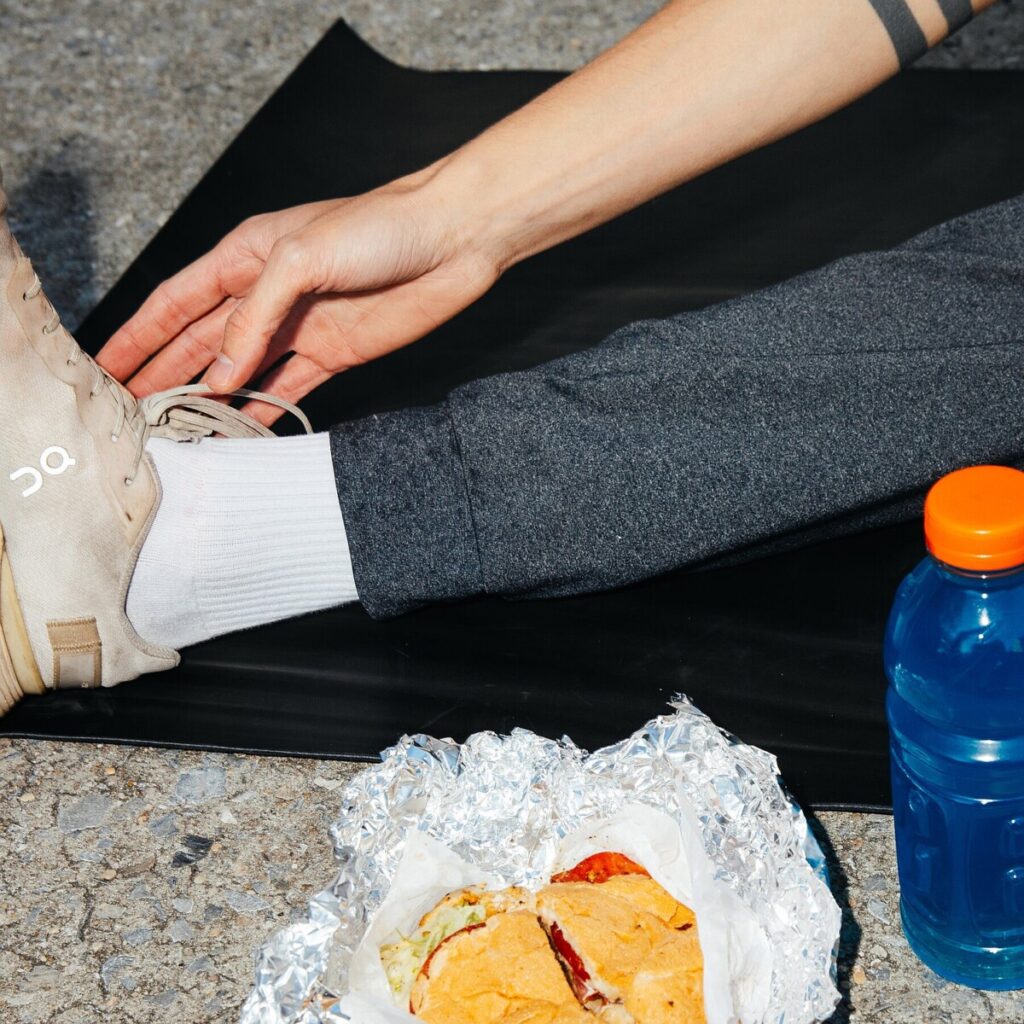
Will Energy Gels Help Your Workout?
When it comes to optimizing performance during exercise, the concept of “refueling” plays a crucial role in maintaining energy levels and enhancing recovery. Refueling involves replenishing the body’s glycogen stores, which are essential for sustained physical activity, especially during prolonged or intense workouts. Athletes and fitness enthusiasts must consider the timing, type, and quantity of nutrients consumed before, during, and after exercise to maximize their performance and recovery. For instance, consuming carbohydrates before a workout can help boost energy levels, while protein intake post-exercise aids in muscle recovery and growth.
One key factor to consider is the intensity and duration of the exercise. For shorter workouts, a simple snack or even water may suffice, but for longer sessions, particularly those exceeding an hour, a strategic refueling plan becomes essential. This could include sports drinks, energy gels, or carbohydrate-rich snacks during the activity to maintain stamina. Moreover, the post-workout period is critical; consuming a combination of carbohydrates and protein within 30 minutes after exercising can significantly enhance muscle repair and glycogen replenishment. Research suggests that a 3:1 ratio of carbohydrates to protein is optimal for recovery, making smoothies, yogurt with fruit, or specialized recovery drinks excellent choices.
Additionally, individual needs can vary based on factors such as body weight, fitness goals, and the specific type of exercise being performed. Endurance athletes, for example, may require more carbohydrates compared to those engaged in strength training. It’s also important to listen to one’s body; signs of fatigue or prolonged soreness may indicate the need for a more tailored refueling strategy. Overall, understanding the principles of refueling during exercise is vital for anyone looking to enhance their performance, prevent fatigue, and support recovery effectively.
Here’s what to consider about ‘refueling’ during exercise.


