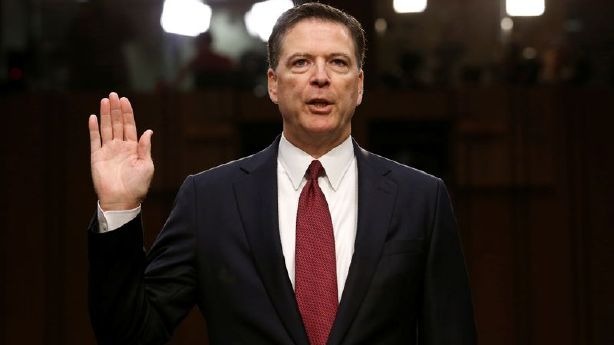
US judge orders DOJ to turn over Comey grand jury materials, citing ‘misconduct’
In a significant legal development, a judge has ruled that there is evidence of “government misconduct” in the prosecution of former FBI Director James Comey, who was charged with criminal offenses in a case linked to the Trump administration. This ruling comes in the context of heightened scrutiny surrounding the use of prosecutorial power and the integrity of the judicial process, particularly during politically charged investigations. The judge’s decision mandates that grand jury materials, which are typically confidential, be handed over to Comey’s defense team, allowing them to examine the evidence and potentially challenge the legitimacy of the charges.
The case against Comey has been controversial from the outset, with many observers questioning the motivations behind the prosecution. Comey, who played a central role in the investigation into Russian interference in the 2016 presidential election, has been a polarizing figure, particularly among Trump supporters. The charges against him were perceived by some as a retaliatory measure for his role in the investigation that led to the President’s impeachment. The judge’s findings of misconduct suggest that the prosecution may have overstepped legal boundaries, raising concerns about the politicization of the justice system. This ruling not only impacts Comey’s case but also raises broader questions about the ethical responsibilities of prosecutors and the potential for abuse of power in politically sensitive cases.
As the legal proceedings continue, the implications of this ruling could resonate beyond Comey’s situation, prompting a reevaluation of how similar cases are handled in the future. The release of grand jury materials could provide critical insights into the prosecution’s strategy and decision-making processes, potentially leading to a reassessment of the charges against Comey. This case serves as a reminder of the complex interplay between law and politics, highlighting the need for transparency and accountability within the justice system. As more details emerge, it will be essential to monitor how this situation unfolds and what it means for the broader landscape of political prosecutions in the United States.
A judge on Monday found evidence of “government misconduct” in how a prosecutor aligned with President Donald Trump secured criminal charges against former FBI Director James Comey and ordered that grand jury materials be turned over to Comey’s defense team.


