Judge sides with Meta in antitrust trial, will not spin off WhatsApp and Instagram
In a significant ruling for the tech industry, a federal judge has dismissed the Federal Trade Commission’s (FTC) antitrust lawsuit against Meta Platforms, Inc., the parent company of Facebook, Instagram, and WhatsApp. The FTC had accused Meta of stifling competition through its acquisitions of Instagram in 2012 and WhatsApp in 2014, arguing that these purchases eliminated potential rivals and harmed consumers by reducing competition in the social media and messaging markets. However, U.S. District Judge James Boasberg found that the FTC did not provide sufficient evidence to support its claims that these acquisitions were anti-competitive. This ruling highlights the ongoing challenges regulatory bodies face in proving antitrust violations in the rapidly evolving tech landscape.
The dismissal of the FTC’s case is particularly noteworthy as it reflects the broader challenges regulators encounter when attempting to rein in the power of major tech companies. The judge’s ruling emphasized that the FTC failed to demonstrate that Meta’s acquisitions had harmed competition or consumers in a meaningful way. Critics of the decision argue that it sets a concerning precedent, potentially allowing large tech firms to continue acquiring smaller competitors without facing significant regulatory scrutiny. For instance, Meta’s purchase of Instagram, which has since become a dominant force in social media, was initially viewed as a strategic move to enhance its platform but is now being scrutinized as a method of eliminating competition. The FTC’s inability to succeed in this high-profile case may embolden other tech giants to pursue similar acquisition strategies, further consolidating their market positions.
This ruling comes at a time when the tech industry is under increased scrutiny from regulators worldwide. With growing concerns over privacy, misinformation, and monopolistic practices, the debate surrounding the regulation of big tech is more relevant than ever. The FTC has indicated that it may continue to pursue other avenues to regulate Meta and similar companies, reflecting an ongoing commitment to addressing competitive practices in the digital economy. As the landscape evolves, this case serves as a pivotal moment in the ongoing struggle between regulatory agencies and powerful tech firms, with implications that could shape the future of competition in the industry.
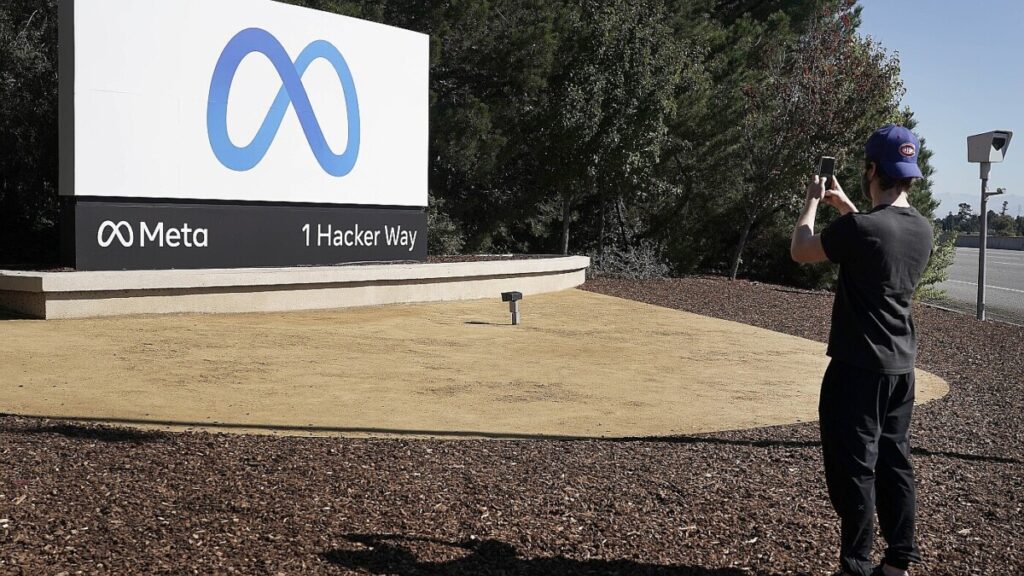
A federal judge ruled against the Federal Trade Commission’s antitrust suit alleging that Meta had stifled competition by buying up its rivals.
(Image credit: Tony Avelar)


