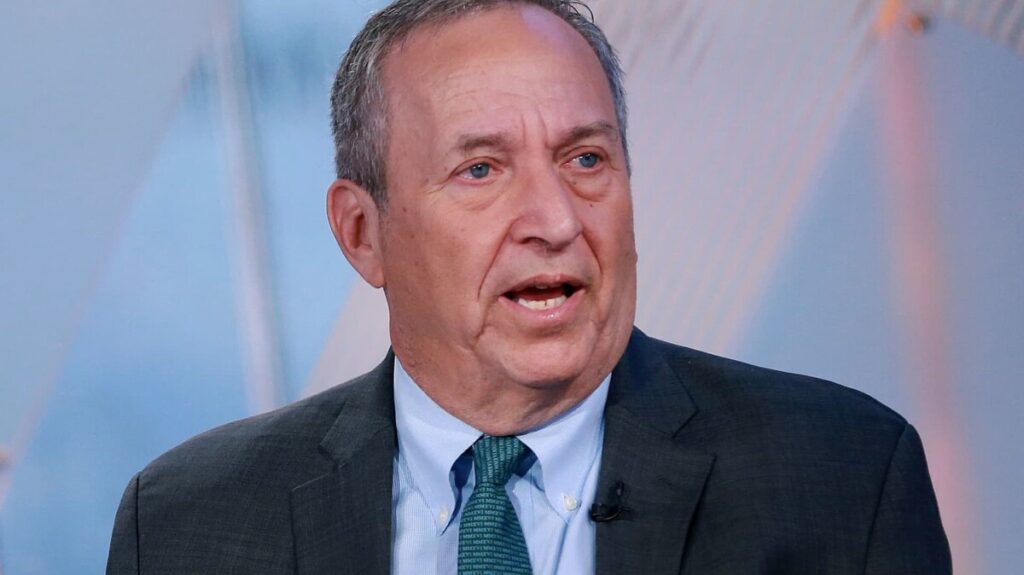
Jeffrey Epstein files: Larry Summers steps back from public commitments over email fallout
In a significant release of documents last week, a House committee unveiled thousands of emails and communications, including those between the late financier Jeffrey Epstein and former Harvard University President Larry Summers. These emails, which have drawn considerable attention, provide a glimpse into Epstein’s connections with influential figures in academia and politics. The correspondence highlights Epstein’s attempts to leverage his relationships to gain credibility and access within elite circles, particularly in higher education. Notably, Summers, who served as Harvard’s president from 2001 to 2006, was a prominent figure in academia and his interactions with Epstein raise questions about the extent of Epstein’s influence and the nature of their relationship.
The emails reveal a range of discussions, from philanthropic endeavors to potential collaborations on scientific research, underscoring Epstein’s efforts to position himself as a benefactor and intellectual. For instance, Epstein had previously donated to various academic initiatives, and his outreach to Summers appears to be part of a broader strategy to align himself with prestigious institutions. This correspondence has sparked renewed scrutiny over Epstein’s connections to Harvard and the implications for the university’s reputation, particularly given the serious allegations surrounding Epstein’s criminal activities and his exploitation of vulnerable individuals. The revelations have prompted calls for greater transparency and accountability in how institutions engage with individuals who have been implicated in serious misconduct.
Moreover, the release of these documents coincides with ongoing discussions about the ethical responsibilities of universities in vetting their donors and collaborators. As institutions grapple with their legacies and the influence of wealthy benefactors, the Epstein-Summers emails serve as a stark reminder of the potential moral complexities involved in such relationships. The fallout from this disclosure is likely to reverberate through Harvard and beyond, as stakeholders demand a reevaluation of how academia interacts with figures of questionable character. This incident not only sheds light on Epstein’s network but also raises broader questions about integrity, accountability, and the consequences of accepting support from individuals with tarnished reputations.
Emails between Jeffrey Epstein and former Harvard President Larry Summers were among thousands of documents released by a House committee last week.