Greenpeace Faces an Unusual New Legal Attack From a Pipeline Giant
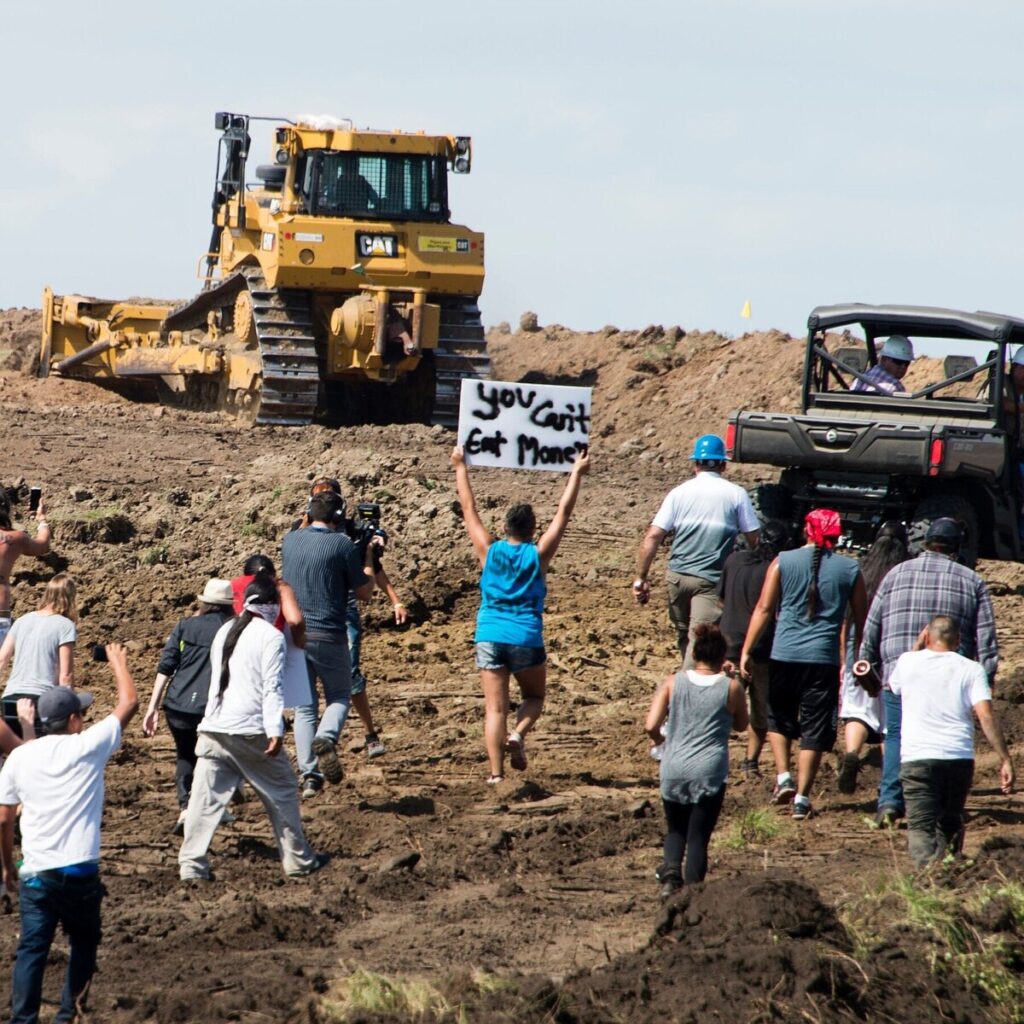
In September 2016, the Dakota Access Pipeline (DAPL) project became a focal point of protest near Cannonball, North Dakota, as Indigenous groups and environmental activists rallied against its construction. The pipeline, designed to transport crude oil from the Bakken shale fields in North Dakota to Illinois, sparked significant controversy due to concerns over its potential environmental impact and the violation of Indigenous land rights. The Standing Rock Sioux Tribe, along with thousands of supporters, argued that the pipeline threatened their water supply and sacred sites, leading to a summer of intense demonstrations that captured national and international attention. Protesters set up camps, organized marches, and engaged in acts of civil disobedience, drawing attention to broader issues of Indigenous sovereignty and environmental justice.
Fast forward to earlier this year, and a significant legal ruling has emerged from these protests. A court found Greenpeace liable for its involvement in the demonstrations against the DAPL, marking a pivotal moment in the ongoing legal battles surrounding the pipeline. The ruling underscores the complex interplay between activism and corporate interests, as Greenpeace and other organizations were accused of inciting protests that led to substantial financial losses for the pipeline’s developers. This decision raises critical questions about the limits of protest and the responsibilities of environmental organizations in advocating for social change. The implications of this ruling could have far-reaching effects on future environmental activism, potentially deterring organizations from engaging in similar protests for fear of legal repercussions.
The Dakota Access Pipeline controversy continues to be emblematic of the struggles faced by Indigenous communities in the fight for their rights and the protection of their lands. As the legal landscape evolves, the protests at Standing Rock remain a powerful reminder of the ongoing resistance against corporate encroachment on Indigenous territories. The case against Greenpeace highlights the tension between the pursuit of environmental justice and the legal ramifications that activists may face. As communities continue to grapple with the impacts of fossil fuel infrastructure, the legacy of the DAPL protests serves as a crucial chapter in the broader narrative of environmental activism and Indigenous rights in America.
Protesting the Dakota Access Pipeline project near Cannonball, N.D., in September 2016. Earlier this year a court found Greenpeace liable for its role in demonstrations there.


