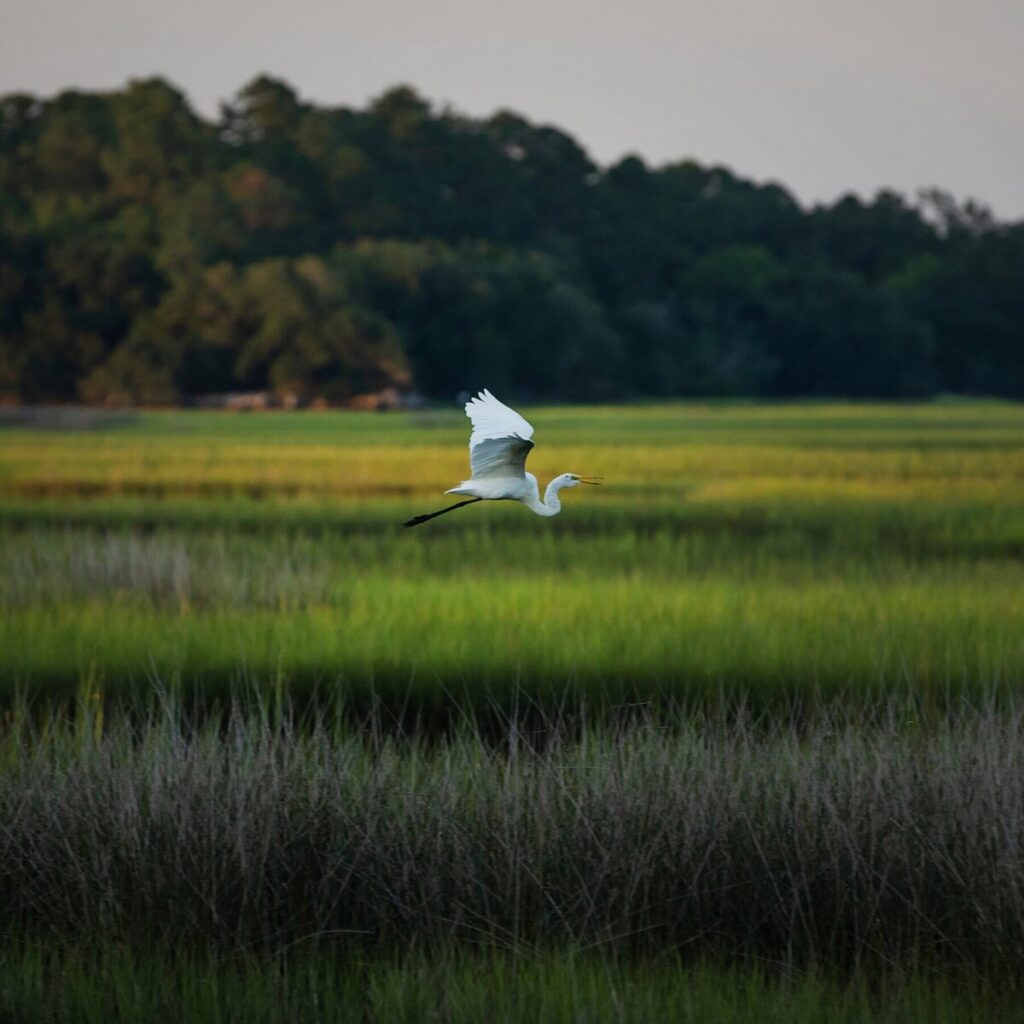
E.P.A. Drastically Limits Protections for Wetlands
In a significant shift in environmental policy, a proposed new definition of wetlands could potentially remove federal protections from approximately 55 million acres of these vital ecosystems, which represents about 85 percent of all wetlands across the United States. This change has sparked considerable concern among environmental advocates, scientists, and local communities who recognize the crucial role wetlands play in biodiversity, water filtration, and flood control. Wetlands are not only habitats for numerous species but also serve as natural buffers against storms and rising sea levels, making their protection essential in the context of climate change.
The proposed definition aims to narrow the scope of what qualifies as a wetland under federal jurisdiction, focusing primarily on areas with a direct hydrological connection to larger bodies of water. Critics argue that this redefinition could lead to significant ecological consequences, as many smaller or isolated wetlands, which may not meet the new criteria, would lose their protections. For instance, small wetlands that serve as breeding grounds for amphibians or as filtration systems for agricultural runoff could be at risk, potentially leading to declines in wildlife populations and increased pollution in nearby waterways. The implications of this policy change extend beyond environmental concerns; they also raise questions about the rights of states and local governments to manage their natural resources effectively.
Supporters of the new definition argue that it could streamline regulatory processes and reduce burdens on landowners and developers. They contend that many wetlands do not significantly contribute to the overall health of larger water bodies, thus questioning the necessity of federal oversight. However, opponents warn that such a reduction in protections may lead to unchecked development and degradation of crucial ecosystems, ultimately harming the environment and public health. As this debate unfolds, it underscores the ongoing tension between economic interests and environmental stewardship, highlighting the need for a balanced approach that considers the long-term impacts of policy decisions on both nature and communities. The future of wetlands in the U.S. hangs in the balance, and the outcome of this proposal could have lasting consequences for the nation’s ecological health.
The new definition could strip federal protections from up to 55 million acres of wetlands, or about 85 percent of all wetlands nationwide.


