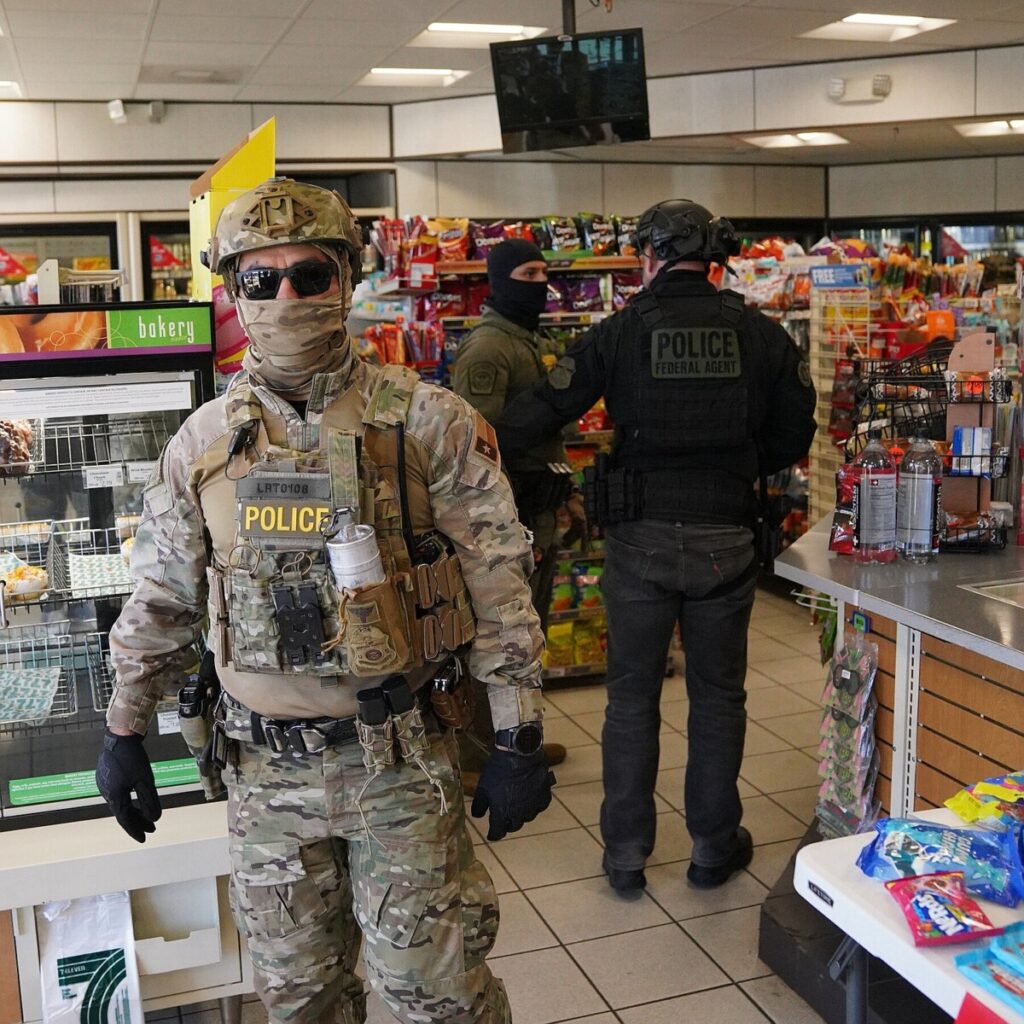
Border Patrol Expands North Carolina Operations to More Liberal Cities
In recent days, the U.S. Border Patrol has intensified its operations in North Carolina, particularly in Charlotte, the state’s largest city and a vibrant hub for immigrants. This strategic focus comes amid ongoing debates about immigration policies and enforcement practices across the country. With Charlotte experiencing a significant influx of immigrants over the past decade, the city has become a focal point for discussions surrounding community integration and the challenges faced by new residents. The Border Patrol’s heightened presence aims to address concerns about illegal immigration and ensure compliance with federal laws, but it has also sparked conversations about the implications for local communities and the immigrant population.
Charlotte’s growing immigrant community is not only vital to the city’s economy but also enriches its cultural diversity. Many immigrants contribute significantly to various sectors, including construction, hospitality, and healthcare. However, the recent surge in Border Patrol activities has raised alarms among local advocacy groups, who argue that such enforcement actions can lead to fear and mistrust within these communities. Local leaders and organizations are urging for a balanced approach that respects the rights of immigrants while addressing the legitimate concerns of law enforcement. This situation reflects a broader national conversation about immigration reform, the role of local versus federal authorities, and the need for policies that protect vulnerable populations while ensuring public safety.
As the Border Patrol continues its operations in Charlotte, the impact on the immigrant community remains to be seen. Local officials are grappling with how to support residents who may feel targeted or anxious about their status. Community organizations are mobilizing to offer resources and legal assistance to those affected, highlighting the resilience of Charlotte’s immigrant population. The situation underscores the complexities of immigration enforcement in urban areas and raises important questions about the future of immigrant integration in the United States. As discussions evolve, the residents of Charlotte, both native and immigrant, are watching closely, hoping for a resolution that fosters safety, respect, and inclusivity.
Since Saturday, the Border Patrol had been focusing its efforts in North Carolina on Charlotte, the state’s largest city, which is home to a growing population of immigrants.