Trump Officials Accused of Bullying Tactics to Kill a Climate Measure
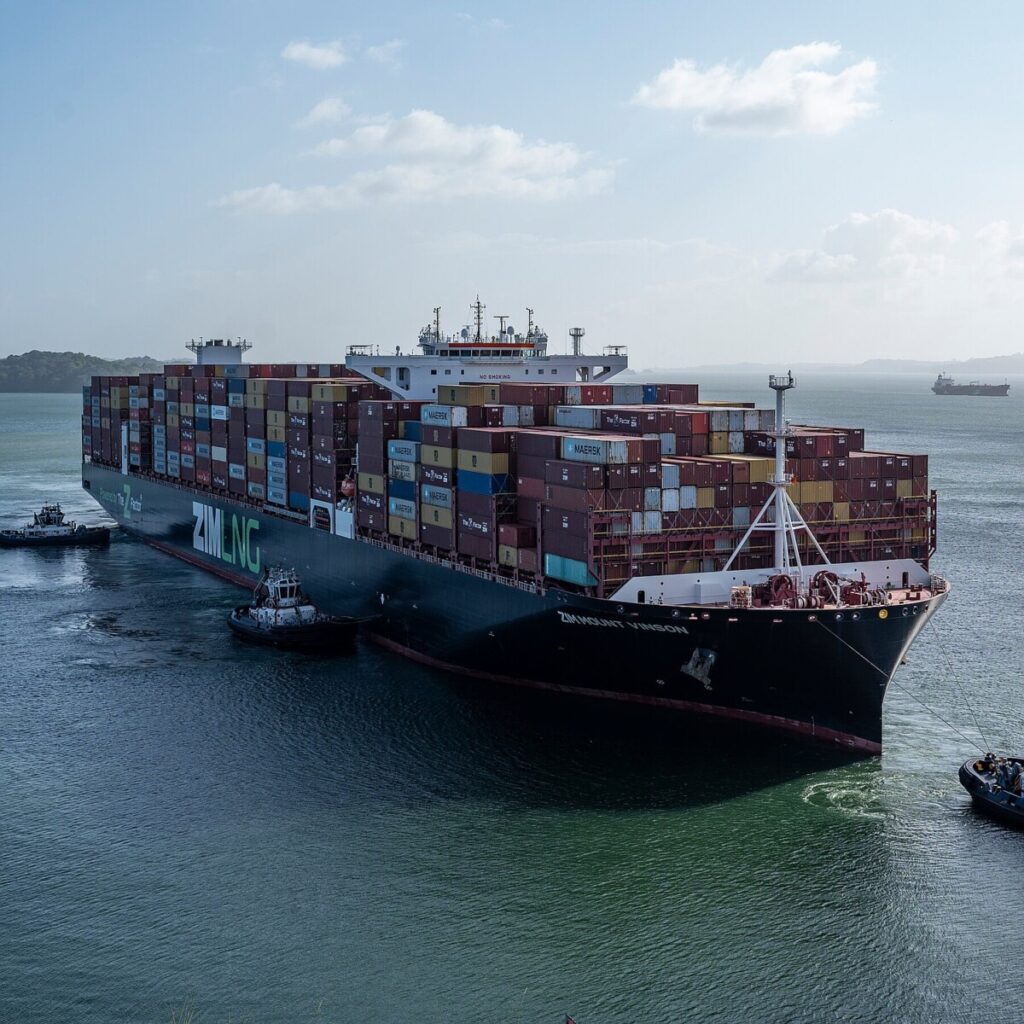
In a significant move towards environmental accountability, nations were on the brink of approving the first international fee on pollution from ships, aimed at reducing the maritime industry’s carbon emissions and combating climate change. This initiative was part of broader discussions under the International Maritime Organization (IMO), where member countries sought to implement a financial mechanism to incentivize cleaner shipping practices. The proposed fee was designed to charge ship operators for their greenhouse gas emissions, with funds generated intended for investment in sustainable shipping technologies and the development of greener maritime infrastructure. The urgency of this measure is underscored by the fact that the shipping sector accounts for approximately 2-3% of global carbon emissions, a figure that is projected to rise significantly if no action is taken.
However, just as consensus was building among nations, the Trump administration intervened with a series of threats aimed at derailing the agreement. U.S. officials expressed concerns that the fee could disproportionately impact American shipping companies, potentially leading to job losses and increased costs for consumers. This stance was consistent with the Trump administration’s broader approach to international agreements, which often prioritized national economic interests over global environmental initiatives. The threats from the U.S. raised alarm among other nations, many of which were eager to take decisive action against climate change. Countries like the European Union and Canada were particularly vocal in their support for the proposed fee, emphasizing the need for collective action to address the escalating climate crisis.
The situation reflects the ongoing tension between environmental goals and national interests, particularly in the context of global cooperation on climate change. The proposed fee on ship pollution represents a crucial step towards holding the shipping industry accountable for its environmental impact, yet the intervention by the Trump administration highlights the complexities involved in reaching international agreements. As nations grapple with the urgency of climate action, the challenge remains to balance economic considerations with the pressing need for sustainable practices in the maritime sector. The outcome of this debate will not only shape the future of shipping but also set a precedent for how nations navigate the intersection of environmental policy and economic interests in an increasingly interconnected world.
Nations were poised to approve the first fee on pollution from ships. That’s when the Trump administration began the threats.


