Trump administration axes Biden-era rule to provide passenger compensation for delayed flights
In a significant policy shift, the Trump administration has officially withdrawn a proposed rule that would have mandated airlines to compensate passengers for significant delays or cancellations. Initially proposed under the Biden administration by former Secretary of Transportation Pete Buttigieg, the rule aimed to require airlines to pay between $200 and $300 for domestic flights that experienced delays exceeding three hours. This compensation would have applied to delays caused by issues within the airline’s control, such as maintenance or staffing challenges, while excluding factors like bad weather or air traffic control delays. The proposal was designed to align U.S. regulations more closely with Europe’s EU261 rule, which is widely regarded as the benchmark for consumer protections in air travel.
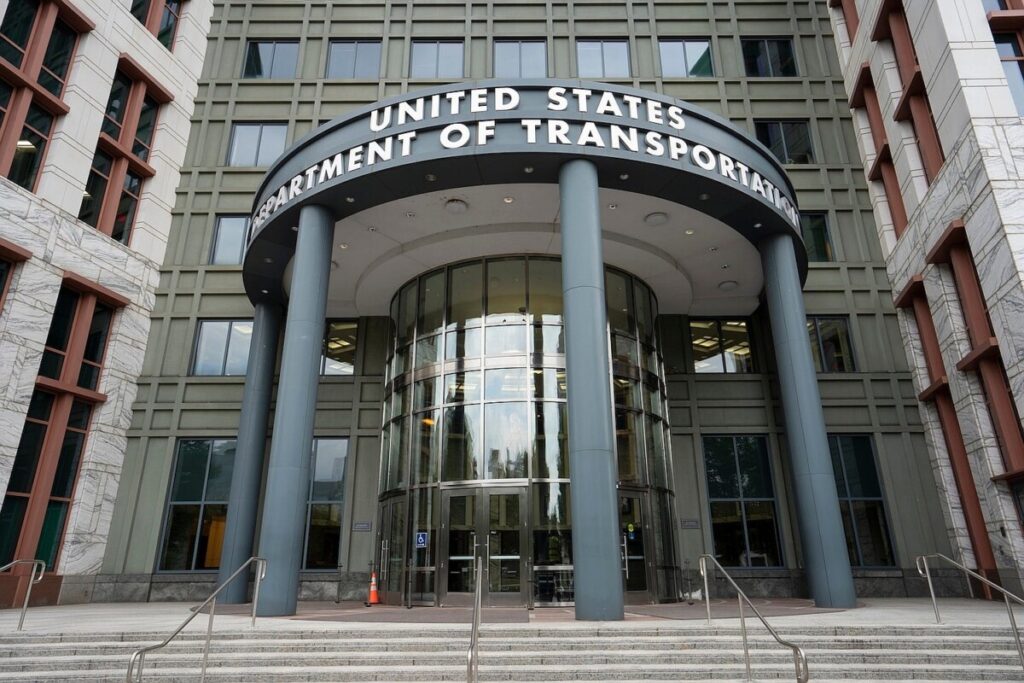
The Department of Transportation (DOT), now led by Secretary Sean Duffy, stated that the withdrawal of the rule was necessary to avoid “unnecessary regulatory burdens.” This decision reflects a broader deregulatory approach characteristic of the Trump administration, which emphasizes reduced regulations and increased competition among airlines. The airline industry, represented by lobbying group Airlines for America (A4A), has actively campaigned against such consumer protections, arguing that they impose undue constraints on operations. A4A has even submitted extensive requests to roll back various consumer protections in a bid to create a more favorable regulatory environment for airlines. While passengers will still receive refunds for canceled flights, the withdrawal of this compensation rule raises concerns about the future of consumer protections in air travel, suggesting that more regulations could be on the chopping block as the DOT continues its review process.
As the landscape of air travel regulations evolves, consumers may find themselves in a more precarious position, particularly when it comes to their rights during delays and cancellations. The move to repeal this compensation rule has sparked discussions about the balance between regulatory oversight and the operational flexibility of airlines. With the airline industry’s push for deregulation gaining traction, it remains to be seen how this will impact passenger experiences in the future. The ongoing debate highlights the need for consumers to stay informed about their rights and the changing dynamics of air travel regulations.
https://www.youtube.com/watch?v=8Epfm65_j4E
The Trump administration formally withdrew a proposed rule Friday that would have required airlines to compensate passengers for significantly delayed or canceled flights.
The rule, which was
proposed late last year
under the Biden administration and former Secretary of Transportation Pete Buttigieg, would have required airlines to pay passengers $200 to $300 for domestic flights delayed more than three hours.
The rule would have applied to delays that are caused by something considered to be within the airline’s control, like maintenance issues or staffing challenges, but not external factors like air traffic control delays or bad weather. That would have aligned the U.S. more closely with Europe’s EU261 rule, which is generally seen as the gold standard of consumer protections in air travel.
The U.S. Department of Transportation, under current Secretary Sean Duffy,
said in September
that it planned to withdraw the proposed rule, and officially repealed it Friday, as first reported by
Reuters
. The DOT said the rule would result in “unnecessary regulatory burdens,” according to Reuters.
SPENCER PLATT/GETTY IMAGES
Passengers will still be entitled to refunds
when their flight is canceled and they choose not to travel. Under a measure passed last year, refunds must be issued automatically to the original form of payment.
Related:
Getting a refund for a canceled or delayed flight: What to know in 2025
Friday’s move aligns with the Trump administration’s broader deregulatory stance, which pushes to remove regulations and rely on competition between companies instead.
The airline industry, which pushed for the passenger compensation rule to be nixed, has seen the current regulatory environment as an opportunity, and has been aggressive in pushing for further rules to be scaled back or removed altogether.
In May, Airlines for America, or A4A, filed a 93-page request
seeking to roll back a slew of consumer protections
. A4A is the lobbying organization for U.S. airlines and represents Alaska Airlines, American Airlines, Delta Air Lines, JetBlue, Southwest Airlines, United Airlines, Hawaiian Airlines and cargo carriers Atlas Air, FedEx and UPS.
It’s unclear how many airline rules the DOT might ultimately roll back — if any at all. But if Friday’s move is any indication, it’s likely that this won’t be the last consumer protection rule we see revoked.
Related reading:
When is the best time to book flights for the cheapest airfare?
The best airline credit cards
What exactly are airline miles, anyway?
6 real-life strategies you can use when your flight is canceled or delayed
Maximize your airfare: The best credit cards for booking flights
The best credit cards to reach elite status
What are points and miles worth? TPG’s monthly valuations
Editorial disclaimer: Opinions expressed here are the author’s alone, not those of any bank, credit card issuer, airline or hotel chain, and have not been reviewed, approved or otherwise endorsed by any of these entities.


