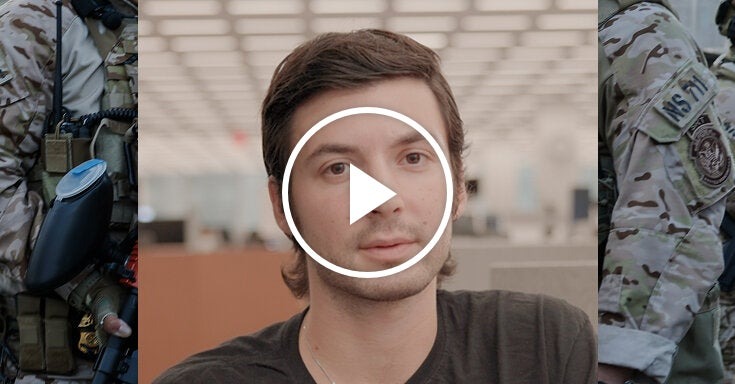
How to Make Sense of Law Enforcement in the Streets
In recent years, the deployment of various federal forces to bolster President Trump’s mass deportation campaign and anticrime initiatives has significantly increased, creating a complex landscape that can be challenging for the public to navigate. With multiple agencies involved, each with distinct mandates and powers, the lines between their roles can often blur, leading to confusion about their functions and authority. This expansion of federal forces has raised questions about civil rights, local law enforcement collaboration, and the overall impact on communities across the nation.
For instance, agencies such as Immigration and Customs Enforcement (ICE) and Customs and Border Protection (CBP) are primarily focused on immigration enforcement, with ICE targeting undocumented individuals within the U.S. and CBP managing border security. In contrast, the Department of Justice (DOJ) has ramped up efforts to combat violent crime through initiatives like the Project Safe Neighborhoods program, which aims to reduce gun violence by enhancing local law enforcement partnerships. Additionally, the deployment of federal agents from the Bureau of Alcohol, Tobacco, Firearms and Explosives (ATF) and the Federal Bureau of Investigation (FBI) further complicates the picture, as these agencies address different facets of crime, including drug trafficking and organized crime.
The implications of this multifaceted approach are profound, particularly for immigrant communities that may feel targeted by aggressive deportation tactics while also facing heightened law enforcement scrutiny. Critics argue that the aggressive tactics used by federal forces can lead to fear and distrust among residents, undermining cooperation with local law enforcement and compromising public safety. As the federal government continues to expand its reach, understanding the distinct roles and powers of these agencies becomes crucial for citizens who seek to engage with and advocate for their communities. The ongoing debate surrounding these policies highlights the need for transparency and accountability in federal law enforcement operations, ensuring that the rights of all individuals are respected while addressing the complex issues of crime and immigration.
https://www.youtube.com/watch?v=dfi9SRdXNGU
The variety of federal forces deployed to support President Trump’s mass deportation campaign and anticrime efforts continues to expand. Often, it can be difficult for the public to tell them apart, or to understand what powers each agency has.