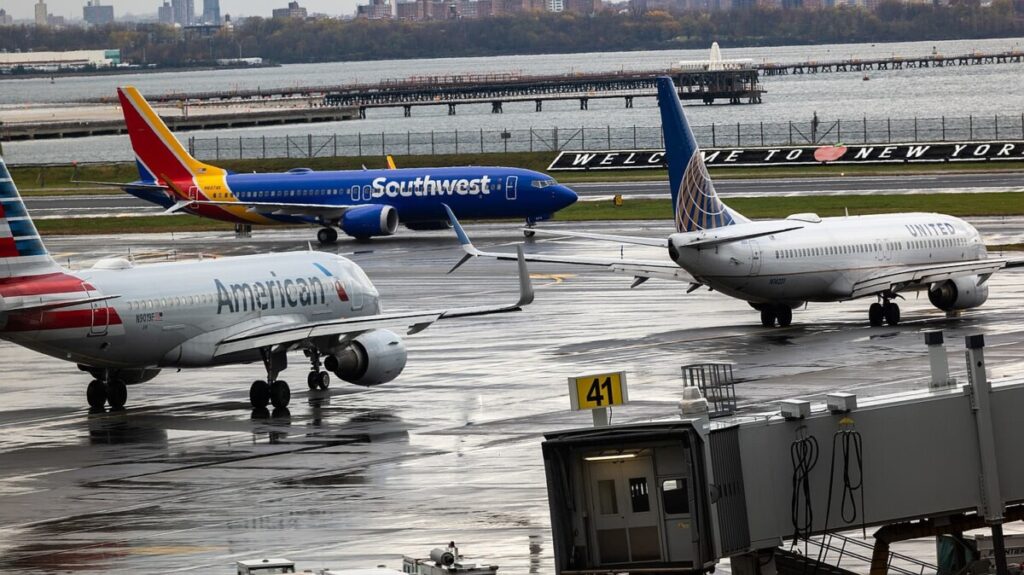
The government shutdown is over. The air traffic controller shortage is not
In a significant disruption to air travel, staffing shortages among air traffic controllers have led to airlines canceling and delaying thousands of flights, affecting the travel plans of approximately 5 million passengers. This crisis comes at a time when the aviation industry is already grappling with a surge in demand as travel rebounds post-pandemic. Airlines have had to make tough decisions, reducing their flight schedules to cope with the limited availability of air traffic controllers, who play a critical role in ensuring the safety and efficiency of air travel. The Federal Aviation Administration (FAA) has acknowledged the staffing challenges, citing a combination of retirements, hiring difficulties, and increased air traffic as contributing factors to the current situation.
For travelers, the impact has been profound. Many have faced long waits at airports, unexpected cancellations, and the stress of rebooking flights. For example, major airlines such as Delta and American Airlines have reported significant disruptions, with Delta announcing a reduction of over 1,000 flights in response to the controller shortages. This situation has not only frustrated passengers but has also raised concerns among industry experts about the long-term implications for air travel, especially as holiday travel approaches. The FAA is working to address these staffing issues by expediting the hiring and training of new air traffic controllers, but the effects of the current shortages are likely to be felt for some time. As the aviation sector strives to return to pre-pandemic levels of service, the need for a robust workforce remains critical to ensure the smooth operation of air travel and restore passenger confidence.
Staffing shortages of air traffic controllers forced airlines to chop flights and delay thousands of others that disrupted travel plans of 5 million people.