The Global Climate Leadership Vacuum
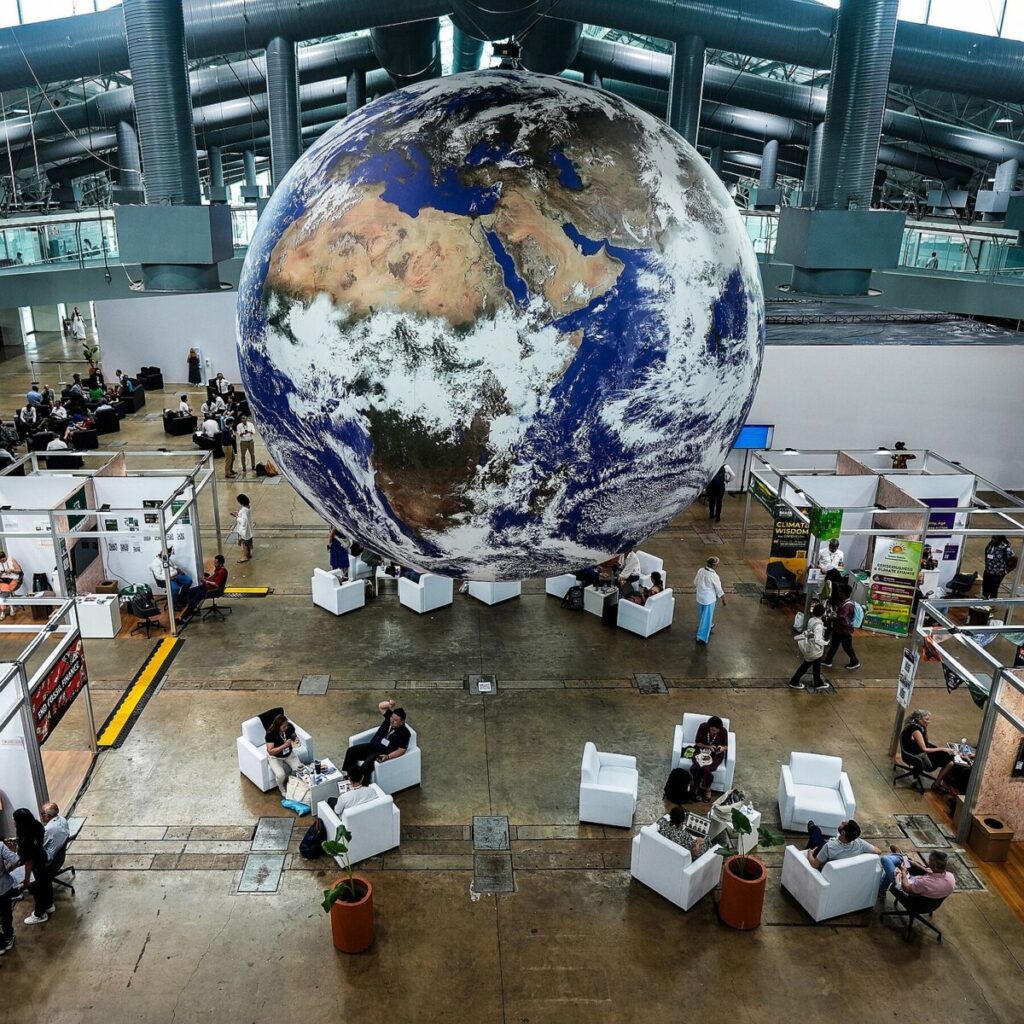
The COP30 United Nations climate summit, currently taking place in Belém, Brazil, has gathered global leaders, climate activists, and scientists to address one of the most pressing challenges of our time: climate change. Set against the backdrop of the Amazon rainforest, this summit not only highlights the urgency of climate action but also emphasizes the critical role that tropical ecosystems play in mitigating global warming. As nations grapple with the impacts of climate change, from extreme weather events to rising sea levels, the discussions at COP30 are pivotal in shaping international climate policies and commitments.
One of the key themes emerging from the summit is the need for enhanced collaboration between nations, particularly in the Global South, where many countries are disproportionately affected by climate change despite contributing the least to its causes. Brazil, as the host nation, is leveraging its position to advocate for the protection of the Amazon, which is often referred to as the “lungs of the planet.” The Brazilian government has proposed ambitious plans to reduce deforestation and promote sustainable development in the region. In parallel, various non-governmental organizations and indigenous groups are voicing their concerns about the preservation of biodiversity and the rights of local communities, underscoring the intersection of environmental and social justice.
As negotiations unfold, key issues such as climate finance, loss and damage, and the transition to renewable energy are at the forefront of discussions. Countries are being urged to fulfill their financial commitments to support developing nations in their climate adaptation and mitigation efforts. For instance, the $100 billion annual climate finance goal, which was initially set for 2020 but has yet to be fully realized, remains a critical point of contention. Additionally, the summit is a platform for innovative solutions, with various stakeholders showcasing cutting-edge technologies and practices aimed at reducing carbon emissions and enhancing resilience to climate impacts. The outcomes of COP30 could significantly influence the global climate agenda leading up to future summits, making it a crucial moment for international cooperation and commitment to a sustainable future.
A lobby of the COP30 United Nations climate summit in Belém, Brazil.


