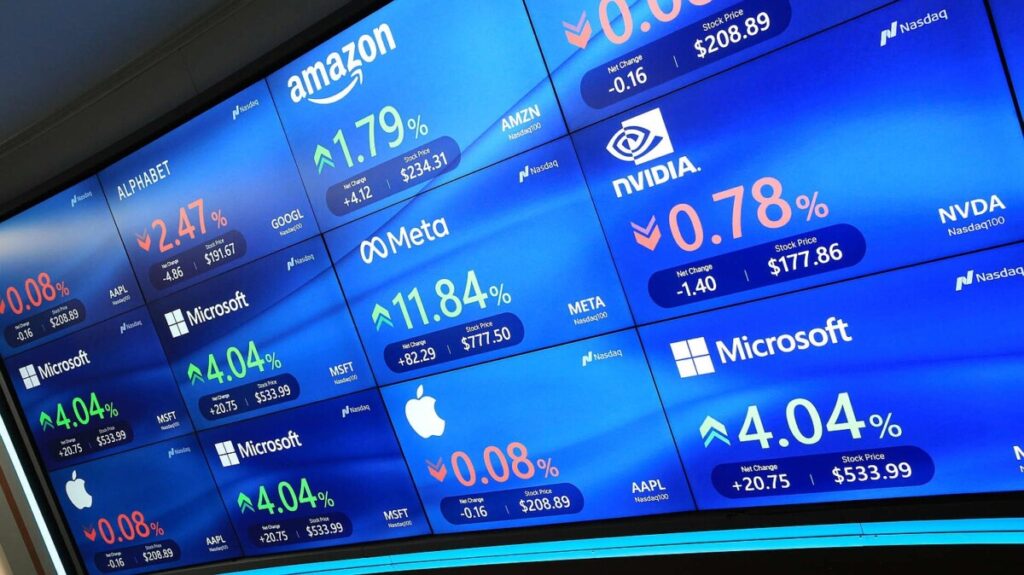
A simple reason why the market’s biggest investors say they aren’t worried about AI bubble, tech stock selling
In a recent analysis, fund managers overseeing substantial portfolios have highlighted a significant shift in the tech landscape compared to the dotcom bubble of the late 1990s. They argue that today’s leading tech companies, such as Apple, Microsoft, and Google, possess a robust advantage that was largely absent during the previous tech boom and bust. This advantage stems from their established business models, strong balance sheets, and the critical role they play in the global economy. Unlike the dotcom era, where many companies were built on speculative ideas without solid revenue streams, today’s tech giants have demonstrated consistent profitability and cash flow, which provides a more stable foundation for growth and investment.
For instance, while the dotcom bubble saw a plethora of startups with inflated valuations driven by hype rather than tangible results, the current market is characterized by companies that have not only survived but thrived through various economic cycles. These firms have diversified their revenue streams, expanded their product offerings, and invested heavily in research and development. For example, Microsoft has successfully pivoted to cloud computing, significantly boosting its market value, while Apple continues to innovate with its ecosystem of devices and services. Fund managers note that this resilience and adaptability give these companies a competitive edge, allowing them to weather economic downturns more effectively than their predecessors during the dotcom era.
Moreover, the current tech landscape is influenced by a more mature investor sentiment, with a greater emphasis on sustainable growth and profitability. Investors are increasingly cautious, looking for companies that can demonstrate long-term viability rather than chasing short-term gains. This shift has led to a more stable investment environment for established tech companies, contrasting sharply with the speculative frenzy of the late 1990s. As a result, fund managers express confidence in the potential for continued growth within the sector, driven by ongoing technological advancements and increasing digital integration across industries. Overall, the lessons learned from the dotcom bubble have shaped a more prudent approach to investing in technology, suggesting that the current giants are well-positioned to lead the market for years to come.
The biggest tech companies in the market have an advantage that didn’t exist during dotcom bubble, say fund managers overseeing tens of billions of dollars.