The Global Climate Leadership Vacuum
The COP30 United Nations climate summit in Belém, Brazil, has emerged as a pivotal gathering for global climate action, drawing attention to the urgent need for collaborative efforts to combat climate change. As world leaders, diplomats, and activists converge in this vibrant Amazonian city, the summit serves as a platform for negotiating strategies to mitigate the effects of climate change and implement sustainable practices. The backdrop of the Amazon rainforest underscores the urgency of the discussions, highlighting the region’s critical role in global biodiversity and carbon storage. Brazil’s hosting of COP30 is particularly significant, as it reflects the country’s commitment to environmental stewardship and its ambition to lead international climate dialogues.
Key topics on the agenda include the financing of climate adaptation and mitigation efforts, with a strong emphasis on supporting developing nations that are disproportionately affected by climate impacts. For instance, discussions are expected to focus on the Green Climate Fund, which aims to provide financial assistance to vulnerable countries. Additionally, the summit will address the need for stronger commitments to reduce greenhouse gas emissions, with calls for countries to enhance their Nationally Determined Contributions (NDCs) in line with the Paris Agreement. Activists and indigenous groups are also making their voices heard, advocating for the protection of the Amazon and the rights of its inhabitants, who are often on the frontlines of climate change. The integration of indigenous knowledge and practices into climate strategies is a recurring theme, emphasizing the importance of inclusive approaches to environmental governance.
As the summit progresses, it is clear that COP30 represents both a challenge and an opportunity for the global community. With the stakes higher than ever, participants are urged to move beyond rhetoric and commit to actionable solutions that prioritize ecological sustainability and social equity. The outcomes of this summit could shape international climate policy for years to come, making it imperative for all stakeholders to engage meaningfully in the discussions. As the world watches, the decisions made in Belém will not only impact Brazil and the Amazon but will resonate across the globe, influencing the trajectory of climate action in an era marked by unprecedented environmental challenges.
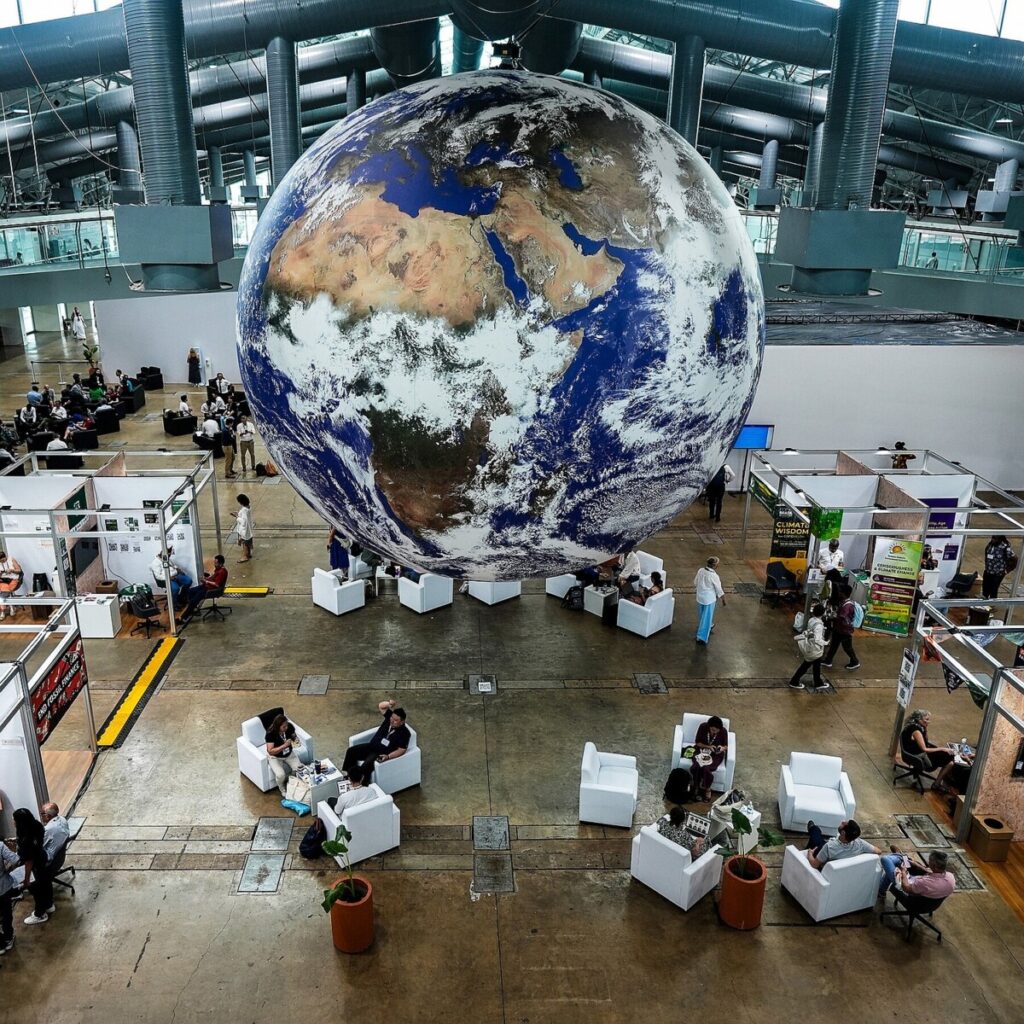
A lobby of the COP30 United Nations climate summit in Belém, Brazil.


