Judge to Approve Purdue Pharma Bankruptcy, Releasing Billions for Opioid Plaintiffs
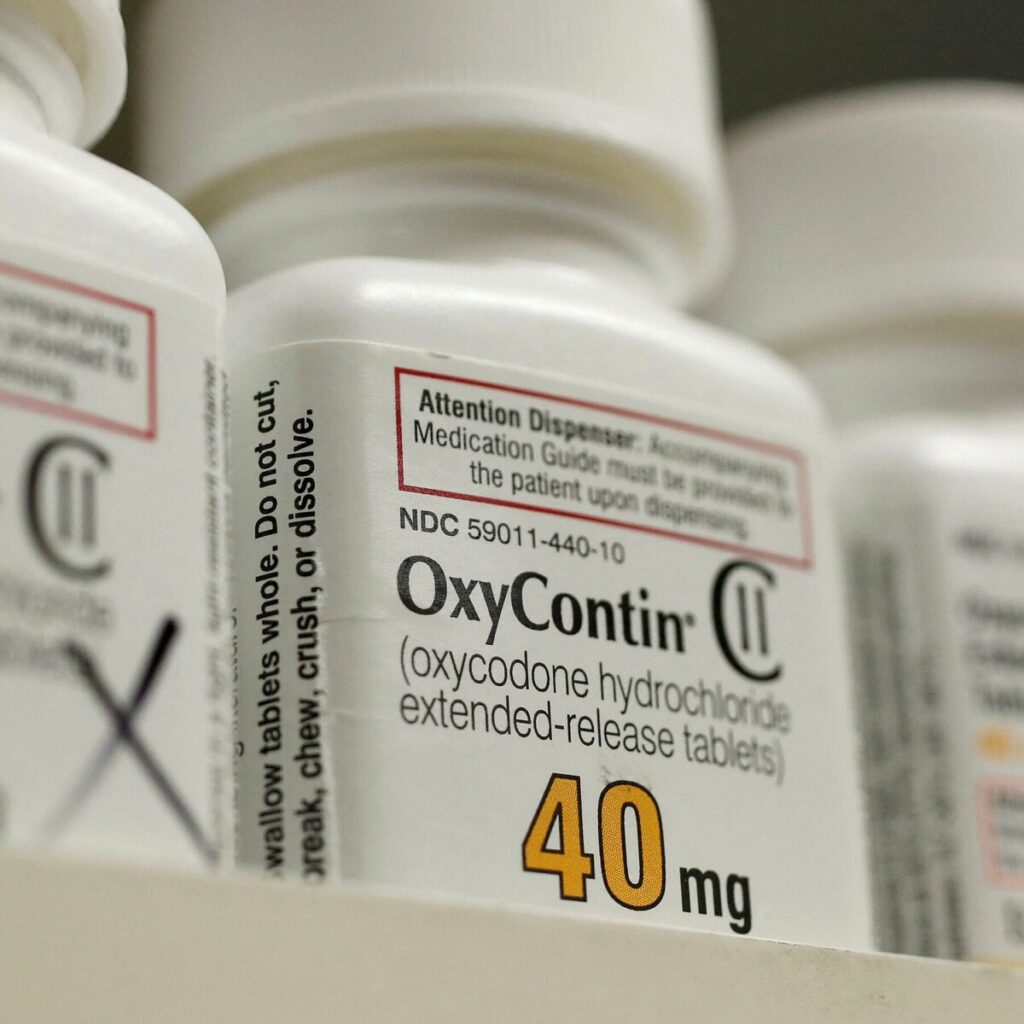
Purdue Pharma, the controversial maker of the opioid painkiller OxyContin, has reached a significant milestone in its bankruptcy proceedings, culminating in a historic settlement plan that stands as the largest agreement with a single pharmaceutical company in the ongoing national opioid litigation. This plan aims to address the extensive damage caused by the opioid crisis, which has resulted in hundreds of thousands of overdose deaths and widespread addiction across the United States. The settlement, which totals approximately $6 billion, is designed to provide financial resources for addiction treatment, prevention programs, and community support initiatives, all aimed at mitigating the far-reaching consequences of the opioid epidemic.
The bankruptcy plan has been a contentious issue, with various stakeholders expressing differing opinions on its adequacy and fairness. Critics argue that the settlement does not go far enough in holding Purdue Pharma accountable for its role in the crisis, while supporters believe it represents a necessary step toward providing relief to affected communities. Under the terms of the plan, Purdue Pharma will be restructured into a new entity that will focus on addiction treatment and recovery, with profits directed toward addressing the opioid crisis. Additionally, the settlement includes provisions for the Sackler family, owners of Purdue Pharma, to contribute to the financial compensation while also shielding them from further legal claims related to the opioid epidemic. This aspect has drawn significant scrutiny, as many believe the family should face more substantial consequences for their involvement in the company’s aggressive marketing strategies that fueled addiction.
As the opioid crisis continues to impact communities nationwide, this landmark settlement highlights the complex interplay between corporate responsibility and public health. The funds generated from the bankruptcy plan are expected to flow into state and local governments, providing much-needed resources for combating addiction and supporting recovery efforts. However, the effectiveness of this settlement in truly addressing the crisis remains to be seen, as advocates emphasize the need for ongoing vigilance and comprehensive strategies to ensure that such tragedies do not recur in the future. The Purdue Pharma case serves as a pivotal moment in the broader narrative of the opioid epidemic, reflecting the urgent need for accountability within the pharmaceutical industry and the importance of prioritizing public health over profit.
The bankruptcy plan for Purdue Pharma, the maker of OxyContin, is the largest settlement with a single pharmaceutical company throughout years of the national opioid litigation.


