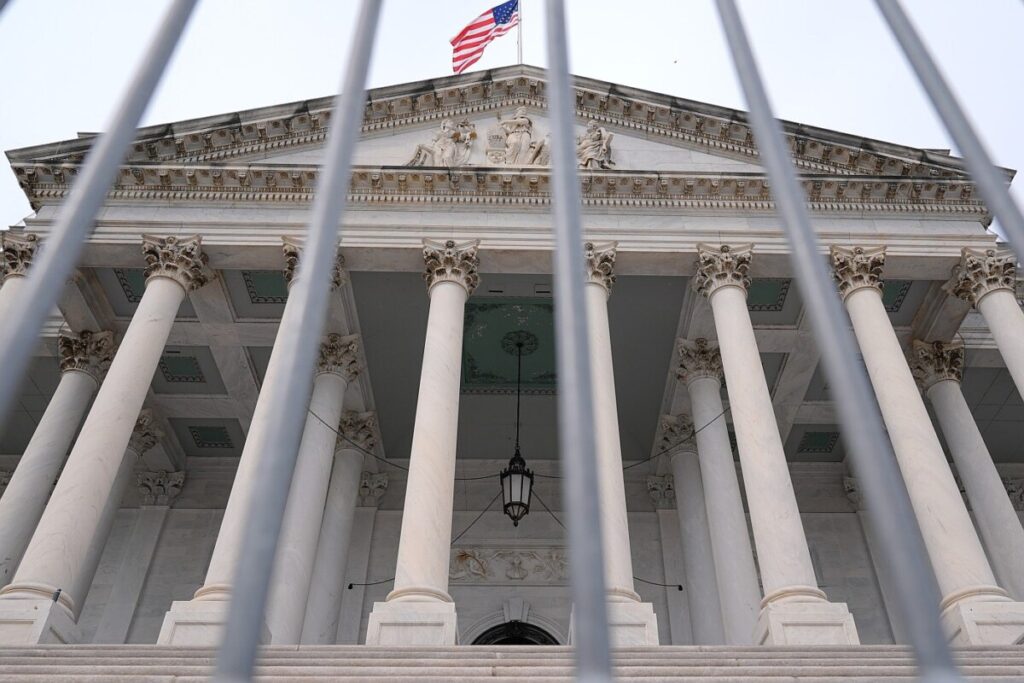
Rubin: Devolve government to save the republic
In a compelling reflection on America’s political evolution, Les Rubin emphasizes the stark contrast between the nation’s founding principles and its current governance structure. He recalls that the Founders of the United States, who were not career politicians but rather dedicated statesmen and patriots, crafted a Constitution that prioritized liberty through a system of checks and balances. This framework was designed to protect citizens from the dangers of both mob rule and government overreach, ensuring that no single branch of government could wield excessive power. In the early years of the republic, this model functioned effectively; the federal government remained relatively small, allowing states and citizens the freedom to innovate and thrive.
However, Rubin argues that over the last century, this ideal has deteriorated significantly. The federal government has ballooned into an expansive bureaucracy that overshadows the original intent of serving the people. Today, federal agencies generate thousands of regulations that have the force of law without any direct input from Congress or the electorate. This shift has led to a government that is perceived as distant and unaccountable, with career politicians more focused on short-term electoral gains than on long-term solutions for the nation. The alarming growth of national debt, now exceeding $38 trillion, underscores the unsustainable nature of this bureaucratic expansion, with interest payments on this debt becoming one of the largest budgetary items, surpassing expenditures on military, education, and infrastructure.
Rubin calls for a fundamental reassessment of government size and function, advocating for a return to the principles established by the Founders. He argues for a smaller federal government that emphasizes local control and accountability, with elected officials—rather than unelected bureaucrats—crafting laws and regulations. This approach, he believes, would restore the balance of power envisioned in the Constitution and empower local communities to address their unique challenges. Rubin urges the need for leaders who are honest about the nation’s financial realities and who possess the courage to make tough decisions for the future. By revisiting the Founders’ blueprint for liberty, he asserts that America can reclaim its promise of self-governance and ensure a prosperous future for generations to come.
America’s experiment in self-government began 250 years ago with the deliberate and inspired design of men who understood the promise and peril of human nature. The Founders of our republic were everything except professional politicians. They were statesmen, part-time legislators, and full-time patriots who risked everything to reject the tyranny of a distant king.
Our forefathers knew that unchecked power corrupts and that freedom requires limits and balance. The Constitution they created was designed to protect liberty from the two great dangers of mob rule and government overreach. It established a system of divided powers, where no single branch could dominate and where the federal government’s authority was carefully limited.
For much of our nation’s early history, that framework worked as intended. The federal government remained relatively small and focused on its core responsibilities. The states handled most of the governing, and citizens were free to build, create and innovate. In that environment, America flourished.
However, over the last century, that vision has eroded. Washington has grown into something far beyond what the Founders imagined. What began as a government designed to serve the people has evolved into a vast, unaccountable bureaucracy that seeks to manage every aspect of their lives. Federal agencies now write rules that carry the force of law without ever being approved by Congress. Tens of thousands of regulations are created by people who have never been elected and answer to no one.
The result is a government that is too large, too costly, and too distant from the people it claims to represent. We are governed today by career politicians who spend their days worrying about the next election instead of the next generation.
We can no longer afford the government we have built.
The national debt has surpassed $38 trillion and continues to grow at an alarming rate. Interest payments on that debt are one of the largest items in the federal budget, now exceeding what we spend on the military, education or infrastructure.
It is time to stop this madness. It is time to devolve government. Yes, that means a smaller federal government with a much smaller bureaucracy, focused on the specific things outlined in the Constitution. The laws and regulations are a product of our elected officials, not the bureaucracy. It means restoring the balance between local control and federal authority. It means recognizing that the solutions to our problems will not come from Washington but from Main Street.
The Founders intended a limited national government, focused on defense, diplomacy and protecting individual liberty. Everything else was to be left to the people and their local representatives. That model worked for generations, and it can work again.
We need leaders who will be honest about our financial reality, who will stop pretending that endless borrowing can continue forever, and who will have the courage to tell Americans what we can and cannot afford. We need statesmen, not salesmen.
The Founders gave us the blueprint for liberty. We must now find the courage to use it.
Les Rubin is the founder and president of Main Street Economics/InsideSources


