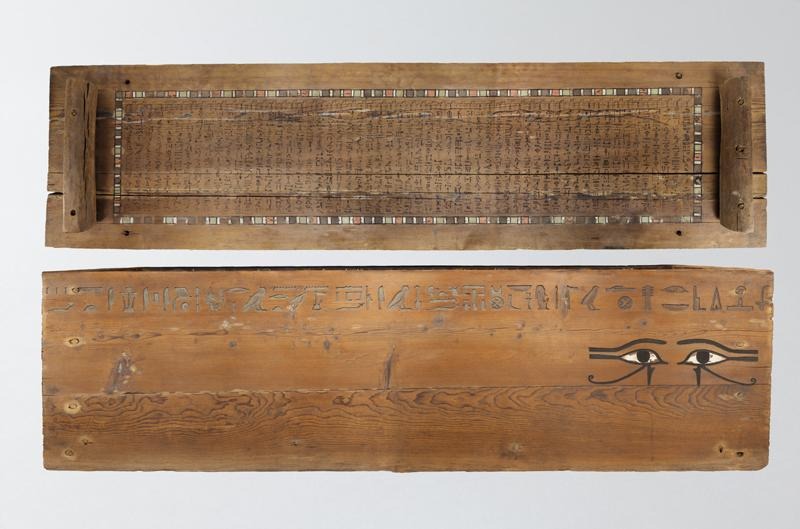
Tree rings from ancient coffins offer clues to Earth’s past
Recent research has unveiled a fascinating method for reconstructing historical climate patterns through the analysis of wood from gravesites. This innovative approach utilizes the dendrochronology technique, which studies tree rings to determine past environmental conditions. By examining wood samples from burial sites, scientists can glean insights into temperature fluctuations, precipitation levels, and extreme weather events such as floods and droughts that occurred during the timeframe when the trees were alive. This method not only sheds light on the climate history of specific regions but also contributes to our understanding of how ancient communities adapted to changing environmental conditions.
One compelling example of this research comes from a study conducted in Europe, where scientists analyzed wooden grave markers from the medieval period. By correlating the growth patterns of the trees with historical climate data, they were able to identify periods of significant drought and flooding that impacted local agriculture and settlement patterns. The findings revealed a correlation between adverse weather events and societal changes, such as migrations and shifts in agricultural practices. This research underscores the importance of interdisciplinary studies that combine archaeology, climatology, and history to paint a more comprehensive picture of how past civilizations interacted with their environment.
This groundbreaking work not only enhances our understanding of historical climate events but also has implications for contemporary climate science. As modern societies face the challenges of climate change, the lessons learned from past human-environment interactions can inform current strategies for resilience and adaptation. By looking to the past, researchers hope to provide valuable insights that can help communities better prepare for future climate variability. This intersection of history and environmental science highlights the vital role that interdisciplinary approaches play in addressing some of today’s most pressing issues.
Wood from gravesites can help reconstruct historic temperatures, floods, and droughts


