Tory Lanez Loses Appeal, Judges Uphold Conviction in Megan Thee Stallion Shooting
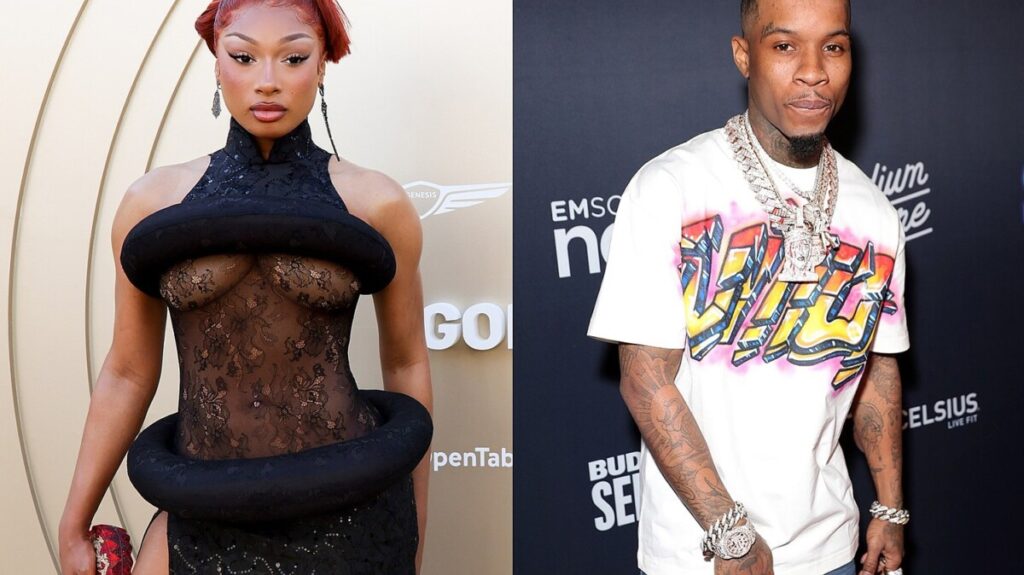
In a significant legal development, the California Supreme Court recently upheld the conviction of rapper Tory Lanez, affirming the jury’s decision regarding his involvement in a high-profile shooting incident. The case, which has drawn widespread media attention, centers around the 2020 shooting of fellow artist Megan Thee Stallion. Lanez was convicted in December 2022 on charges of assault with a firearm, negligent discharge of a firearm, and carrying a loaded, unregistered firearm in a vehicle. The court’s ruling, which stated, “We find no prejudicial error and, accordingly, affirm [Lanez’s] conviction,” reinforces the jury’s findings and underscores the legal system’s commitment to upholding justice in cases of gun violence and personal safety.
The conviction came after a tumultuous trial where both Lanez and Megan Thee Stallion provided conflicting accounts of the events that transpired that night. Megan, who suffered gunshot wounds to her feet, testified that Lanez shot her following a heated argument. The trial featured explosive testimonies, including that of witnesses who corroborated Megan’s account, and Lanez’s defense team attempted to cast doubt on her credibility. Despite the defense’s efforts, the jury ultimately found Lanez guilty, leading to a sentence of 10 years in prison. This ruling not only serves as a pivotal moment in Lanez’s career but also sends a strong message regarding accountability in cases involving violence against women.
The affirmation of Lanez’s conviction is part of a broader conversation about the intersection of celebrity culture, gun violence, and the legal system’s role in addressing such issues. The case has sparked debates on social media and in public forums, highlighting the complexities of navigating fame, accountability, and the impact of violence in the entertainment industry. As the legal proceedings conclude, the implications of this case will likely resonate beyond the courtroom, influencing discussions on safety, justice, and the responsibilities of public figures.
“We find no prejudicial error and, accordingly, affirm [Lanez’s] conviction,” the justices wrote