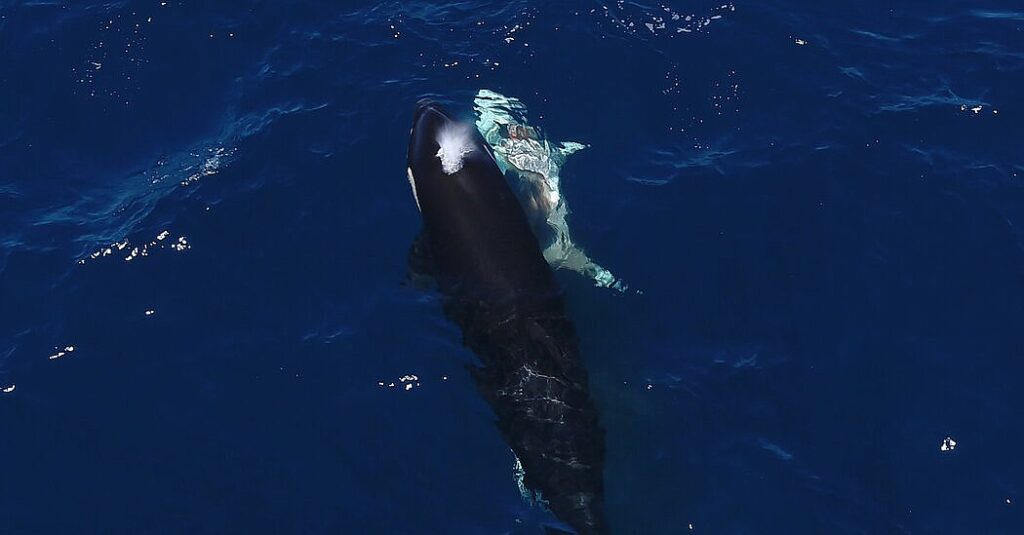
In Mexico, Killer Whales Take Down Great White Sharks
In a remarkable display of predatory behavior, a pod of orcas in the Gulf of California has been observed hunting juvenile white sharks, specifically targeting their livers. This unusual hunting technique has garnered attention from marine biologists and conservationists alike, as it highlights the complex and often surprising dynamics of ocean ecosystems. The orcas, known for their intelligence and social structures, appear to have developed a specialized hunting strategy that focuses on the nutrient-rich livers of these sharks, which are sought after for their high fat content. This behavior not only showcases the adaptability of orcas in their pursuit of food but also raises important questions about the impact of such predation on local shark populations and marine biodiversity.
The phenomenon was first documented in 2017, but recent observations have provided further insights into this unique hunting method. Researchers have noted that the orcas display a coordinated approach when hunting, often working together to isolate and capture their prey. This behavior is reminiscent of their hunting strategies for other marine mammals, but the focus on juvenile white sharks marks a significant shift in their dietary preferences. The liver of the shark, which can constitute a substantial portion of its body weight, serves as an energy-rich food source for the orcas, enabling them to sustain their high-energy lifestyle. This predation could have cascading effects on the local marine ecosystem, as juvenile white sharks play a crucial role in maintaining the balance of species within their habitat.
The implications of this behavior extend beyond the immediate predator-prey relationship. As orcas adapt their hunting strategies in response to available prey, it raises concerns about the resilience of shark populations in the Gulf of California. Overfishing and habitat loss have already put significant pressure on shark species worldwide, and the emergence of orcas as a new apex predator could further exacerbate these challenges. Conservationists emphasize the need for ongoing research and monitoring of both orca and shark populations to better understand the long-term effects of this predation on marine ecosystems. As scientists continue to study these interactions, the Gulf of California remains a focal point for understanding the intricate relationships that define our oceans and the delicate balance that sustains them.
A pod of orcas in the Gulf of California has repeatedly hunted juvenile white sharks to feast on their livers.


