Gaskin: Focus on health is changing how we eat
In an era where convenience and health intertwine, the culinary landscape is undergoing a profound transformation with the rise of medically tailored meals (MTMs). Historically, cooking has been a vital aspect of human survival, serving as a medium for cultural transmission and familial bonding. However, as healthcare costs soar and lives become increasingly hectic, MTMs are emerging as a revolutionary solution that not only nourishes but also heals. Designed by registered dietitians, these meals are specifically tailored to meet the nutritional needs of individuals with chronic conditions such as diabetes and heart disease. Research underscores their significance, with a 2022 study published in JAMA Network Open revealing that MTMs can lead to a remarkable 16–31% reduction in monthly healthcare expenditures and a 40–50% decrease in hospitalizations compared to control groups.
The implications of this shift are vast, particularly as chronic conditions account for approximately 90% of annual healthcare spending in the United States, according to the CDC. With diet-related diseases on the rise, policymakers and insurers are beginning to recognize food not just as a source of sustenance but as a critical component of medical care. Some states have already enabled Medicaid plans to cover MTMs through innovative pathways, reflecting a growing acknowledgment that better nutrition can lead to better health outcomes and lower costs. Beyond treating illness, there is potential for MTMs to play a preventive role, appealing to health-conscious consumers who may seek these meals for performance and wellness—similar to how they approach gym memberships or supplements.
As our lives become busier, the way we approach cooking is also changing. The average American now dedicates about 40 minutes daily to food preparation and cleanup, leading to a surge in demand for ready-to-eat meal options. This trend is further fueled by advancements in smart kitchen technology and AI-driven nutrition apps, paving the way for meals that are not only convenient but also health-oriented. Imagine a future where grocery shopping for meals is as easy as selecting options tailored to specific health needs, whether online or in-store. While the rise of MTMs may signify a shift away from traditional cooking, it does not herald its demise. Cooking will likely evolve into a more expressive and creative endeavor, focusing on pleasure and community rather than mere necessity. In this new culinary era, the purpose of food is set to transform, blending health, convenience, and personalization into a seamless dining experience while still celebrating the rich traditions and connections that cooking fosters.
https://www.youtube.com/watch?v=Aqb1h2R6stQ
For most of human history, cooking was not optional. It was a daily ritual of survival — a transfer of culture, family, and knowledge through food. Yet a quiet revolution is reshaping how we eat, driven by the convergence of healthcare, technology, and convenience. At its heart lies the rise of medically tailored meals (MTMs), which promise not only to feed us but to heal us. This development, combined with escalating healthcare costs and increasingly time-starved lives, raises an intriguing question: Will we cook in the future?
Medically tailored meals are not ordinary prepared foods. They are designed by registered dietitians and customized to meet the nutritional needs of individuals with chronic conditions such as diabetes, heart failure, and renal disease. Research consistently shows their impact.
A 2022 JAMA Network Open study found that MTMs were associated with 16–31% lower monthly healthcare expenditures and roughly 40–50% fewer hospitalizations among participants compared with control groups.
MTMs treat diet as part of medical care, not an afterthought. As clinicians increasingly note, in many cases the right meal can achieve what medication alone cannot.
The rise of medically tailored meals comes at a critical time. In the United States, chronic and mental-health conditions together account for about 90% of annual healthcare spending (CDC 2024). Many of these conditions — hypertension, cardiovascular disease, type 2 diabetes — are diet-related and preventable.
As costs continue to soar, insurers and policymakers are beginning to see food as both the cause and the cure. Several states now allow Medicaid managed-care plans to cover MTMs through “in-lieu-of-services” (ILOS) pathways; as of late 2024, ten states had authorized such coverage, though adoption remains uneven across Medicare Advantage plan. The logic is simple: if poor diet drives disease, better food can drive recovery — and lower costs.
At the same time, consumers are rethinking what “healthy eating” really means. The Food-as-Medicine movement is extending beyond clinics into homes, grocery aisles, and delivery platforms.
So far, MTMs have been framed as prescriptions for those already sick. But food can prevent disease, not just treat it. The same evidence-based nutrition used in healthcare could power the wellness market —a far larger opportunity.
It’s not hard to imagine active, health-conscious consumers subscribing to MTMs for the same reasons they pay for gym memberships or supplements: performance, energy, and prevention.
MTMs don’t need to remain confined to healthcare or insurance markets. A vast world of retail consumers awaits.
Modern life is busier than ever. Americans now spend about 40 minutes a day on food preparation and cleanup, according to the 2024 American Time Use Survey. Meal kits such as HelloFresh once promised a balance between cooking and convenience, but even those are giving way to fully prepared, ready-to-eat options like Factor (acquired by HelloFresh in 2020). These meals cater to a world where every minute is scheduled.
Add to this the rise of smart kitchen technology — from barcode-scanning ovens like Tovala to AI-powered nutrition apps — and it’s clear that food preparation itself is being automated. This shift toward convenience sets the stage for a new kind of meal: one that’s not just fast but functionally tailored to health.
If the 1950s introduced the frozen “TV dinner,” the 2030s may bring the “MTM dinner” — a personalized, dietitian-approved, celebrity-chef-branded meal designed for both health and flavor.
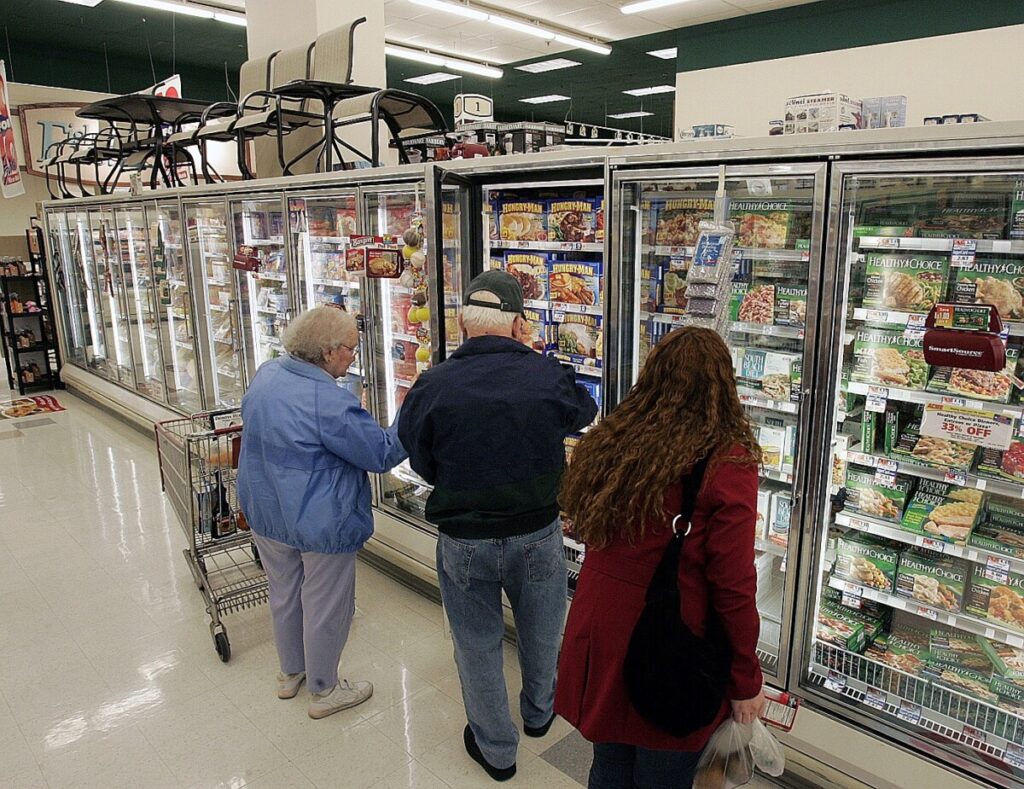
Picture walking into a grocery store and heading straight to the frozen section to browse by condition or cuisine: Type 2 Diabetes, Low-Sodium, Mediterranean, or Heart-Healthy. You grab a few for the week, then continue shopping for other essentials.
Or perhaps you skip the store entirely. You order online, and your medically tailored meals arrive through Instacart, Amazon, or Walmart.
In this future, MTMs don’t replace grocery stores—they redefine them. The frozen aisle becomes a pharmacy of flavor and function, where food is both medicine and convenience, tailored to your needs and ready when you are.
Still, there’s something about cooking that no algorithm can replace — the smell of onions sizzling in a pan, the joy of sharing a family recipe, the tactile rhythm of stirring, tasting, adjusting. Even as technology simplifies nourishment, it cannot replicate the connection that food creates. Cooking may become less frequent, but it will endure as a form of care, creativity, and community — a reminder that we are more than consumers of nutrients; we are makers of meaning.
Cooking will likely evolve rather than disappear. We may still cook, but differently: less for necessity, more for pleasure, curiosity, or expression.
What seems certain is that the purpose of food will continue to shift — from sustenance to self-optimization, from taste to therapy, from the stove to the algorithm. The rise of medically tailored meals doesn’t signal the end of cooking; it signals the beginning of a new culinary era, where health, convenience, and personalization blend into a seamless, data-driven dining experience.
Ed Gaskin is Executive Director of Greater Grove Hall Main Streets and founder of Sunday Celebrations


