AI videos of animals could be dangerous. Here’s how to spot them.
In an era where social media dominates our daily lives, the rise of AI-generated videos is raising significant concerns among scientists and conservationists alike. A recent study published in *Conservation Biology* highlights the troubling implications of these hyper-realistic videos, particularly those depicting wild animals. Researchers from the University of Córdoba found that these AI creations can misrepresent animal behavior, encourage anthropomorphism, and deepen the disconnect between society and nature. For instance, videos showing birds heroically defending their young from “evil” snakes may seem entertaining, but they can distort public perceptions of wildlife and undermine conservation efforts for species that are often misunderstood.
José Guerrero Casado, a zoologist and co-author of the study, emphasizes the potential dangers of misinformation stemming from these viral videos. He warns that if the public perceives certain animals as threats due to sensationalized portrayals, conservation initiatives may suffer from a lack of support. This is particularly concerning for vulnerable species, as distorted views can lead to misguided public sentiment and policy. Furthermore, these videos can create unrealistic expectations for children regarding interactions with wildlife, which may lead to disappointment and a weakened connection to nature. Rocío Serrano, another co-author, points out that when children realize that their local wildlife doesn’t behave like the animals in viral videos, it can diminish their appreciation for the natural world.
To combat the negative effects of AI-generated wildlife content, the researchers advocate for enhanced media literacy and environmental education in schools. Teaching children to critically assess the media they consume can help them distinguish between reality and fiction, fostering a more accurate understanding of wildlife. Francisco Sánchez, also a co-author, stresses the importance of ensuring that children learn about the true nature of local wildlife, which can help cultivate a more informed and compassionate future generation. As AI technology continues to evolve, being mindful of the content we engage with is crucial. Experts like Siwei Lyu from the University of Buffalo suggest looking for signs of artificiality, such as unnatural movements, inconsistent lighting, and blurred textures, to identify potentially misleading videos. Ultimately, as we navigate the complexities of digital media, fostering a deeper connection with nature requires vigilance and education.
It happens more and more frequently. You’re in bed,
doom-scrolling through social media
(just a few more TikToks!) and you happen upon a fantastic
video
—a massive leopard leaping into a backyard, where a shockingly courageous house cat scares the predator away from an innocent toddler. You’re about to send it to a friend, but then doubt creeps in at the last moment. Is it
real
?
Some videos generated by
artificial intelligence
are
so realistic
that it’s almost impossible to tell them apart from actual footage. While it might seem like an innocent enough prank, scientists are sounding the alarm about the potential implications for
conservation
efforts and children’s relationship with nature.
In a
Conservation Biology
study
, a team of researchers investigated the virality and potentially problematic nature of AI-generated photos and videos of wild animals on
social media
. They found three main issues—misperceptions of animal behavior,
anthropomorphizing
(applying human qualities to animals), and increasing detachment between society and nature.
“Our findings indicate that some posts are concerning because they do not reflect reality, which can contribute to misinformation. For effective biodiversity conservation, it is essential that society is well informed,”
José Guerrero Casado
, co-author of the study and a zoologist at Spain’s University of Córdoba, tells
Popular Science
.
He points to videos of bird parents killing “evil” snakes. “Some users comment in favour of this outcome, but what implications does this have for snake conservation? If public resources are directed towards snake conservation, but there is insufficient public support, efforts may be undermined,” he adds.
Such videos can also provide false impressions about the abundance of vulnerable species, further widening the already present disconnect between humans and wildlife, according to a University of Córdoba
statement
about the study. Along these same lines, these videos might also give young children false expectations about their local wildlife and realistic interaction with wild animals.
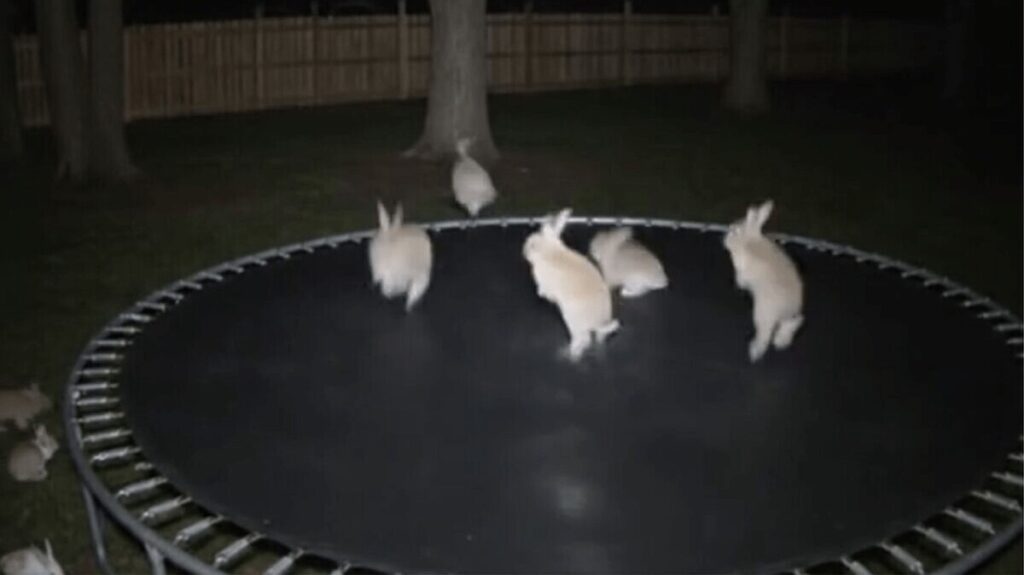
In other words, when they realize that the bunnies in their backyard are not going to have a wonderful time jumping on the trampoline with a blackbear, “it has the opposite effect in terms of connection,” Rocío Serrano, another co-author and a researcher at the University of Cordoba’s department of education.
What makes matters worse is people’s—particularly young people’s—increased use of social media as a source of information. Plus, false depictions of friendly exotic animals makes more people want to have them as pets.
More broadly as far as animals are concerned, the team suggests counteracting the potential harm propagated by these videos with strategies such as increased media literacy and environmental education in school, “ensuring that children understand from an early age that there are no lions here,” Francisco Sánchez, co-author of the study and a researcher at the University of Cordoba’s zoology department, concludes.
Moral of the story, be mindful of the content you’re engaging with. While some AI videos might be easier to suspect, you should always
watch out
for video
quality and length
, bad text,
strange looking hands
. Others still might be harder to identify.
“AI-generated wildlife videos can look convincing, but there are some telltale signs,” University of Buffalo computer engineer
Siwei Lyu
tells
Popular Science
. “Watch for unnatural movements—animals may move too smoothly or in ways that defy physics. Lighting inconsistencies are another clue: shadows and reflections often don’t match the environment. Finally, look closely at fine details like fur or feathers; AI models sometimes blur textures or repeat patterns unnaturally.”
The post
AI videos of animals could be dangerous. Here’s how to spot them.
appeared first on
Popular Science
.


