Trump Announces Deal to Drop Obesity Drug Prices to as Little as $149 a Month
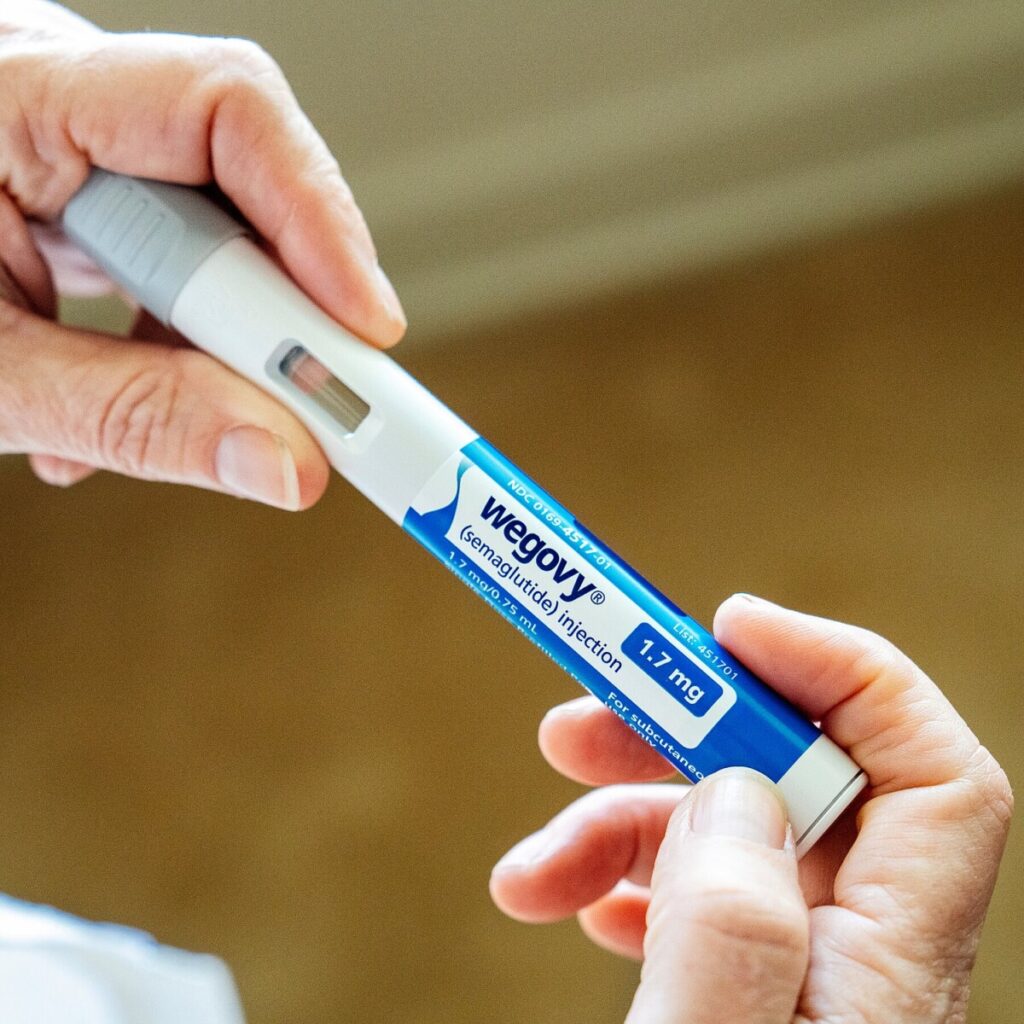
In recent months, the weight-loss drugs Wegovy and Zepbound have gained significant attention in the United States, primarily due to their effectiveness and the rising obesity rates among Americans. Priced at approximately $500 a month, these medications have become a focal point in discussions about obesity treatment and healthcare accessibility. Wegovy, a brand name for semaglutide, has been particularly noted for its ability to help patients achieve substantial weight loss by mimicking a hormone that regulates appetite. Zepbound, another promising drug, works similarly and has also shown positive results in clinical trials. Both medications are part of a growing trend where pharmaceutical companies are developing targeted treatments for obesity, a condition that affects over 40% of American adults, according to the CDC.
Despite their effectiveness, the high cost of these medications raises concerns about accessibility for many potential users. While some insurance plans may cover part of the expense, a significant portion of the population remains uninsured or underinsured, making it challenging for them to afford these treatments. For instance, individuals with a monthly income that barely covers living expenses may find it nearly impossible to allocate $500 for a weight-loss drug. This situation highlights the broader issue of healthcare inequality in the U.S., where access to potentially life-saving medications is often determined by one’s financial situation rather than medical need. As obesity continues to be a pressing public health issue, the conversation around the affordability of treatments like Wegovy and Zepbound is crucial, prompting calls for policy changes that would make these medications more accessible to all Americans.
Moreover, the growing popularity of these weight-loss drugs has sparked discussions about the societal implications of obesity and the responsibility of pharmaceutical companies to ensure equitable access to their products. While Wegovy and Zepbound offer hope to many struggling with weight management, the focus on pharmaceutical solutions raises questions about lifestyle changes, nutritional education, and the need for comprehensive approaches to tackle obesity. Advocates argue that alongside medication, there should be an emphasis on promoting healthier lifestyles through diet and exercise, as well as addressing the root causes of obesity, such as socioeconomic factors and food deserts. As the landscape of obesity treatment evolves, the dialogue surrounding Wegovy and Zepbound serves as a reminder of the complexities involved in addressing this multifaceted issue.
https://www.youtube.com/watch?v=SHJqbUJF5Hc
Americans have been able to buy Wegovy and Zepbound for about $500 a month in most cases.


