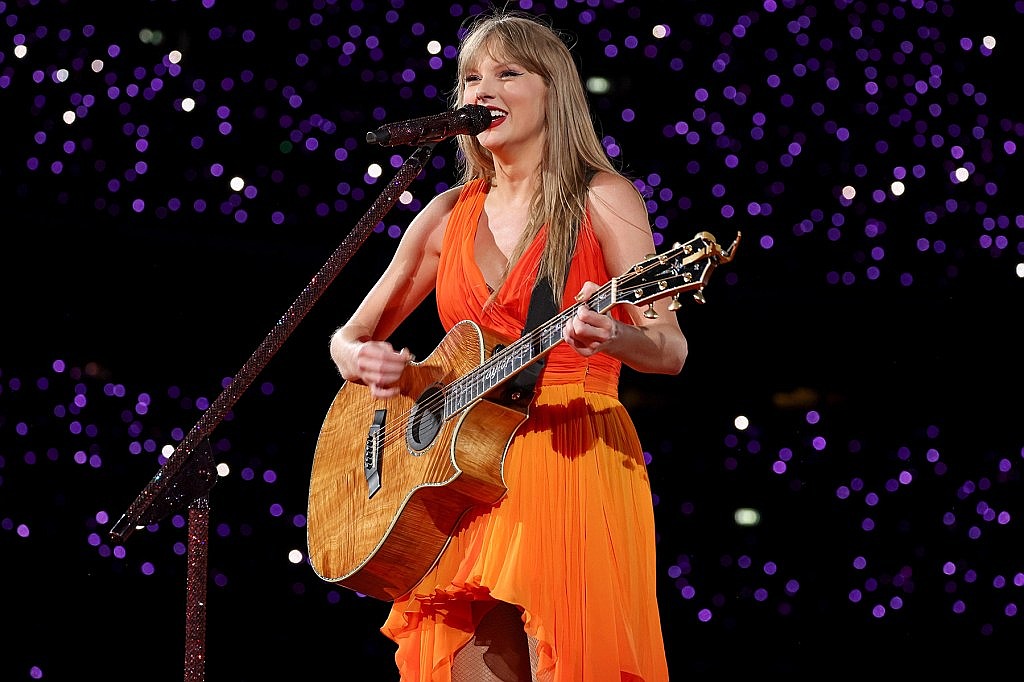
Taylor Swift and Charli XCX Among Stars Driving U.K. Music Industry’s £8 Billion Boom
In 2024, the UK music industry achieved a remarkable milestone, contributing a record £8 billion (approximately $10.5 billion) to the nation’s economy, marking a 5% increase from the previous year, according to the latest “This Is Music” report by UK Music. This surge can be attributed to high-profile tours from global superstars like Taylor Swift, Bruce Springsteen, Take That, and Liam Gallagher, which not only drew massive audiences but also boosted related sectors such as tourism and hospitality. The report highlights the thriving nature of the UK music scene, with expectations for continued growth in 2025, fueled by upcoming stadium tours from major artists including Oasis, Coldplay, and Dua Lipa, alongside arena residencies from pop sensations like Billie Eilish and Sabrina Carpenter.
The report also sheds light on the broader economic impact of the music industry, revealing a 2% increase in employment, resulting in 220,000 full-time equivalent jobs within the sector. However, this positive trend is tempered by the reality that many music professionals face financial instability; 43% of respondents reported earnings below £14,000 ($18,400), necessitating supplementary income sources. Additionally, UK artist royalties surpassed £1 billion for the first time, with PRS for Music disbursing a record £1.02 billion ($1.3 billion) to its members, reflecting an 8.1% increase. Despite these successes, the report warns of significant challenges ahead, including the potential impact of generative AI on music creation and the pressing need for government support for grassroots touring, especially in light of difficulties faced by emerging artists post-Brexit.
As the report indicates, while the music industry’s Gross Value Added rose by 5%, this growth rate is a stark contrast to the double-digit increases witnessed in the years following the pandemic. Factors such as rising touring costs and a decline in big-ticket releases from British artists have contributed to this slowdown. UK Music’s chief executive, Tom Kiehl, emphasized the urgent need for action to address these challenges, particularly regarding touring restrictions and the implications of AI technology. He expressed optimism about the future of the UK music industry and called for collective efforts to harness its full potential, underscoring the sector’s importance as a cornerstone of British culture and its ability to adapt and thrive in changing times.
https://www.youtube.com/watch?v=ggVn0H2LNR0
LONDON — Blockbuster tours by the likes of
Taylor Swift
,
Bruce Springsteen
,
Take That
and
Liam Gallagher
contributed a record total of 8 billion pounds ($10.5 billion) to the United Kingdom’s economy in 2024.
The figure is up 5% from the previous year, according to the newly released This Is Music study from UK Music, the umbrella organization encompassing a range of bodies including the BPI and collection society PRS For Music.
Related
Sam Fender Donates Entirety of Mercury Prize Winnings to U.K. Music Charity
All-American Rejects to Open SXSW 2026, First 100 Showcasing Artists Announced
Billboard’s Live Music Summit Honors Khalid with VENU’s Disruptor Award
The results are being heralded as a huge success, with 2025 likely to bring a bumper uptick in the trend, thanks in part to headline-dominating stadium tours from the likes of Oasis, Coldplay, and Dua Lipa, plus U.K. arena residencies from pop heavyweights Billie Eilish, Sabrina Carpenter and more.
Published annually, the latest edition of This is Music takes a deep dive into how the U.K. music business fared both at home and on the world stage. It outlines employment stats, international music sales, plus gross revenue through ticket sales, tourism and more in order to paint a full picture of the industry’s contribution to the country’s overall GDP.
A strong appetite for British artists and songs helped push a notable increase in export figures in 2024. Charli XCX’s
Brat
LP – which saw her enjoy a global breakthrough and scoop eight Grammy nominations – thrived overseas, while Lola Young landed a chart smash in “Messy,” both contributing to a 5% rise to 4.8 billion pounds ($6.3 billion).
Employment also lifted by 2%, with a net total of 4,000 new jobs in the U.K. taking the number of people working in the music industry to 220,000 (full-time equivalent posts), reports UK Music. The breakdown of that figure, however, shows that a significant portion of these people are vulnerable to the cost of living. 43% of respondents earned less than 14,000 pounds ($18,400) from music, forcing them to turn to other jobs in order to make a stable income.
Related
German Court Rules OpenAI Infringed Song Lyrics in Europe’s First Major AI Music Ruling
Elsewhere, U.K. artist royalties surpassed a billion for the first time, with PRS for Music paying out a record 1.02 billion pounds ($1.3 billion) to its members – an 8.1% increase on last year.
“The UK music industry remains one of our greatest international success stories,” said the foreign secretary,
Yvette Cooper MP
, in a statement. “Every year, we see more new artists from Britain becoming global stars, and our existing world-famous musicians reaching new heights, all of them adding to the incredible heritage of creativity, talent and genius that has defined UK music throughout our history.”
Despite these fiscal wins, however, the report warned that the U.K. music industry still faces a number of tough challenges. There are potential risks posed by generative AI on music creation, which could erode employability across the sector, as more sophisticated tools emerge and pose a new rival for listener attention.
Another area where UK Music said urgent action was needed was further government support for the grassroots touring sector. In a survey conducted between March 20 and June 12, 2025, UK Music spoke to 1306 music creators, including songwriters, musicians, DJs and producers, and found that many emerging artists were finding it increasingly difficult to play live at this level, with income from touring not keeping pace with costs.
Related
Steady Growth, Shaky Future? CISAC Warns of Unchecked AI Even As Royalties Rise
95% of these respondents reported decreased earnings as a direct consequence of Brexit, up 8% from 2023, due to increasing touring costs and a subsequent impact on royalties as their music is performed less in Europe. As a result, UK Music called for an agreement between the UK and EU to lift visa and work permit requirements across EU borders.
“The status quo on these two big issues is currently tilted against music’s interests, with new survey data on both AI and EU touring evidencing why we need the balance to swing back in our favour,” said
Tom Kiehl
, chief executive of UK Music. He also urged the government to take “urgent action” in the key areas addressed in a bid to boost growth, exports and jobs in the U.K. music industry.
Elsewhere, the rate of economic growth in the music industry slowed, with Gross Value Added up by five per cent in 2024. This is lower than the double-digit growth seen over the past few years as the industry recovered from the pandemic.
The report cited ongoing threats to grassroots venues and a lack of big-ticket releases by British artists in 2024 as contributing factors to this figure.
“In recent years UK Music has reported that the music industry has enjoyed double-digit annual growth. That growth has now halved indicates a levelling off of the immediate post-pandemic boost that we experienced, as well as other underlying issues set out in this report,” said Kiehl.
He went on to describe how he remains hopeful that the U.K. music industry can overcome the challenges it faces during this “pivotal moment.” He added: “Let’s come together to make sure we realise our full potential.”