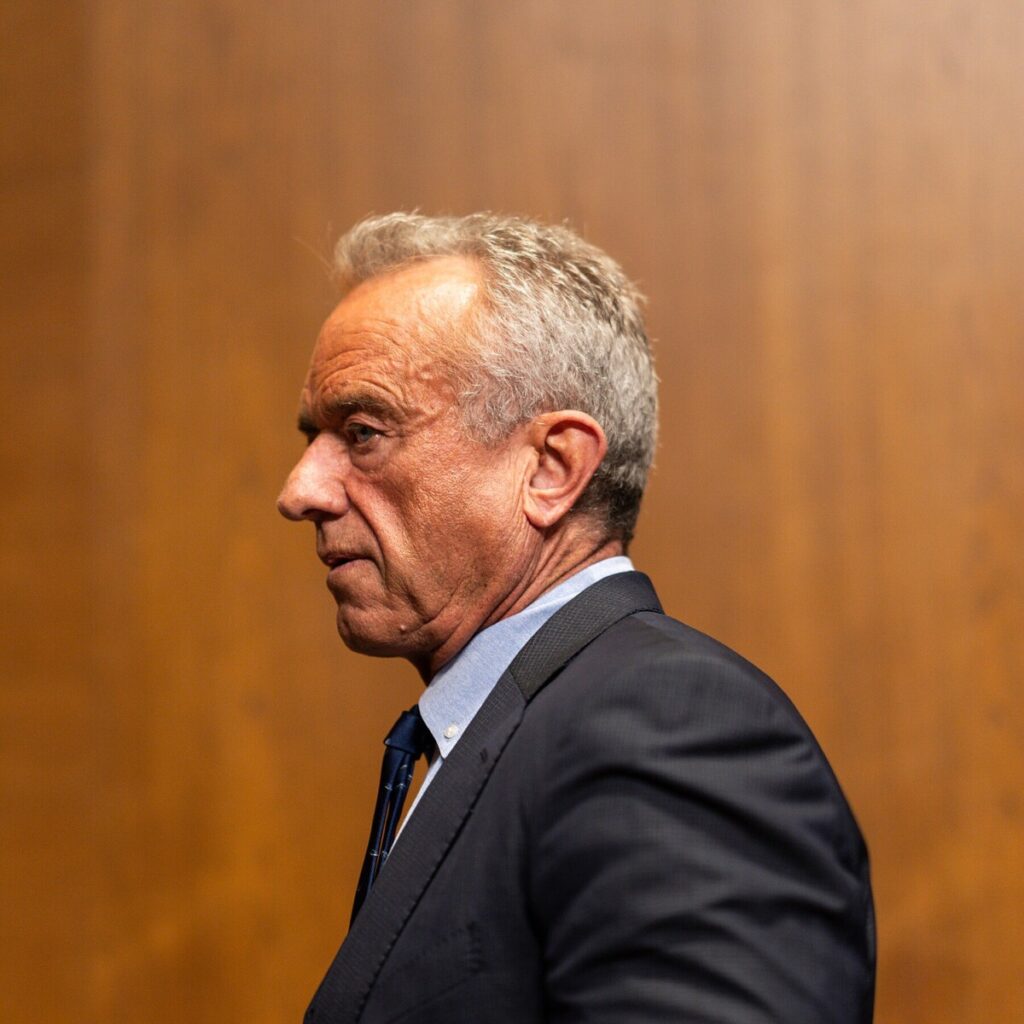
Big Food’s Fight Against Kennedy Is Heating Up
In a bold move to reshape the nation’s health landscape, Robert F. Kennedy Jr., the newly appointed Secretary of Health and Human Services, has launched his “Make America Healthy Again” initiative. This ambitious program seeks to tackle the growing concerns surrounding nutrition, public health, and the pervasive influence of the food industry on American diets. However, as Kennedy embarks on this journey, he faces significant opposition from powerful stakeholders within the food industry who are resistant to change and protective of their interests. This clash highlights the ongoing tension between public health advocacy and corporate influence, raising questions about the future of food policy in the United States.
Kennedy’s agenda is rooted in the belief that the American food system needs a radical overhaul to address the rising rates of obesity, diabetes, and other diet-related health issues. He has proposed stricter regulations on food labeling, transparency in ingredient sourcing, and a push for healthier options in schools and public institutions. For instance, Kennedy has emphasized the need for clearer labeling on processed foods, advocating for transparency that allows consumers to make informed choices about what they eat. However, major food corporations, which often prioritize profit margins over public health, are pushing back against these proposals. Lobbying efforts from these companies have intensified, as they seek to maintain their market dominance and resist regulatory changes that could impact their bottom line.
The opposition Kennedy faces is emblematic of a broader struggle within the food industry, where health advocates clash with corporate interests. For example, the snack food and beverage sectors have historically resisted moves toward healthier product formulations, citing concerns about consumer preferences and economic implications. Additionally, Kennedy’s critics argue that his agenda could lead to unintended consequences, such as increased food prices or limited availability of certain products. As the debate unfolds, Kennedy’s ability to navigate these challenges will be crucial in determining the success of his health initiative. The outcome could set a precedent for future health policies and reshape the relationship between government, public health, and the food industry in America.
https://www.youtube.com/watch?v=QTxdFrHO20Q
Robert F. Kennedy Jr., secretary of Health and Human Services, faces emerging foes in the food industry that are challenging his Make America Healthy Again agenda.


