Our Universe Is Getting ‘Colder, Deader,’ Astronomers Say
Recent research has sparked intriguing discussions in the scientific community, suggesting that our universe may have “passed its prime.” This assertion stems from a comprehensive analysis of cosmic data, particularly focusing on the universe’s expansion rate and the behavior of its galaxies. Astronomers and cosmologists have observed that the universe is not only expanding but doing so at an accelerating rate, a phenomenon attributed to a mysterious force known as dark energy. However, new findings indicate that the universe’s expansion could be slowing down, indicating that it may have already reached a critical stage in its lifecycle.
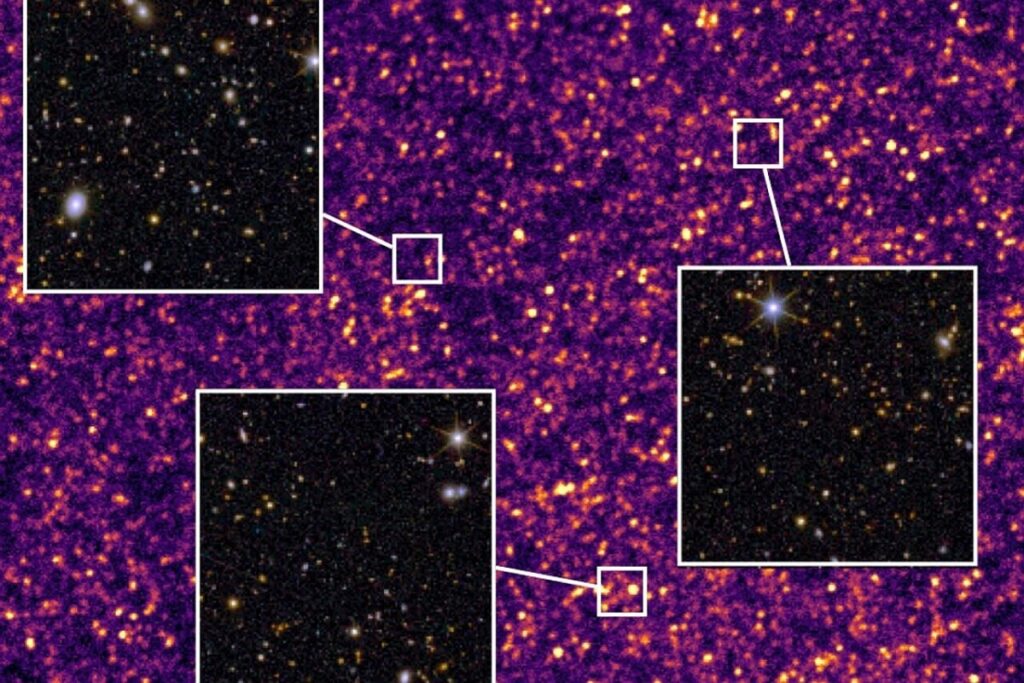
One of the key pieces of evidence supporting this theory comes from the study of distant galaxies and their light emissions. By examining the redshift of light from these galaxies, researchers have been able to trace the universe’s expansion history. The results suggest that the rate of star formation has significantly declined over the past few billion years. For instance, while galaxies were forming stars at a rapid pace in the early universe, this rate has dramatically decreased, leading to concerns about the longevity of stellar activity. This decline in star formation is critical, as stars are essential for producing elements that contribute to the formation of planets and potentially life. As the universe ages, the diminishing number of new stars could lead to a future where galaxies become increasingly dark and cold, devoid of the vibrant activity we observe today.
Moreover, the implications of this research extend beyond mere cosmic curiosity; they prompt deeper questions about the fate of the universe. If the current trends continue, scientists predict a scenario known as the “heat death,” where the universe reaches a state of maximum entropy, ultimately leading to a cold, dark expanse with little to no energy available for processes that sustain life. This theory challenges our understanding of cosmic evolution and raises existential questions about humanity’s place within the universe. As researchers continue to gather data and refine their models, the idea that our universe has passed its prime could reshape not only scientific discourse but also our philosophical perspectives on existence and the future of the cosmos.
https://www.youtube.com/watch?v=7JAcC7tVXLs
New evidence suggests our universe has long “passed its prime.”