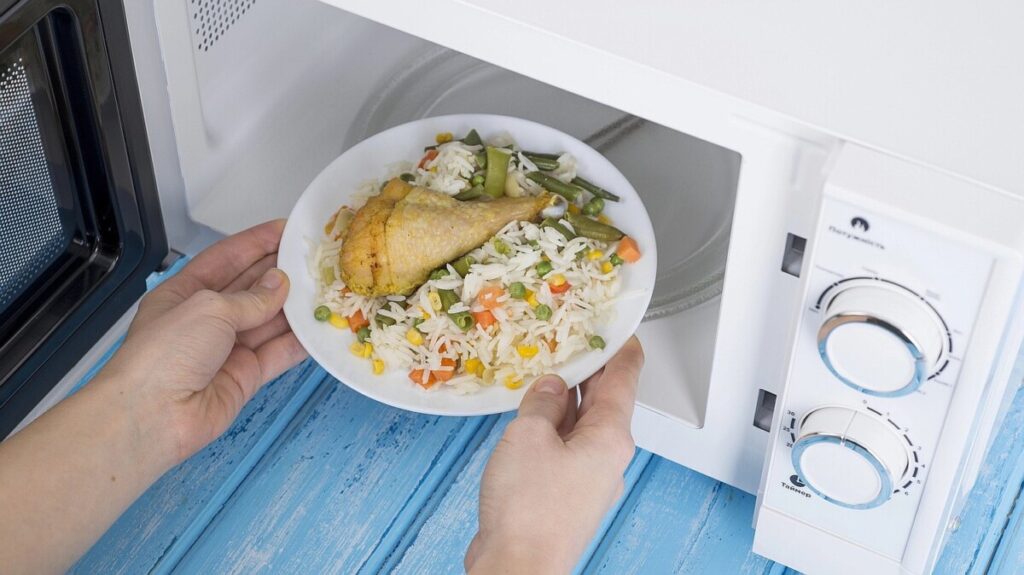
Is microwave cooking nuking all the nutrients?
Microwave ovens, first harnessed for cooking food in 1947, have become a staple in modern kitchens by the late 1960s due to their convenience and affordability. As their popularity surged, scientists began to investigate how this method of cooking affects the nutritional content of food. A comprehensive review in 2009 concluded that there are “no significant nutritional differences” between foods cooked in microwaves and those prepared using conventional methods. This finding suggests that while microwaves do alter the food, they do not necessarily strip it of nutrients any more than other cooking techniques might.
Cooking, in general, transforms food in ways that can enhance or diminish its nutritional value. For instance, cooking makes proteins easier to digest but can also lead to the loss of heat-sensitive vitamins like vitamin C and B-vitamins. A study conducted by Chinese researchers in 2009 found that microwaving broccoli led to a 16% reduction in vitamin C, while boiling resulted in a more dramatic loss of over 30%. This highlights that while microwaving does affect nutrient levels, it is often less detrimental compared to other methods like boiling, which tends to leach nutrients into water.
However, while microwaving may not significantly reduce nutritional value, there are health considerations to keep in mind. The safety of microwaving food in plastic containers has come under scrutiny, as some plastics can release harmful chemicals when heated. A recent study indicated that microwaved plastic containers could release billions of micro- and nanoplastic particles. Furthermore, there are concerns regarding the formation of acrylamide, a potentially carcinogenic compound that develops in starchy foods during cooking. Although more research is needed to fully understand the implications of microwaving on acrylamide levels, it is advisable to take precautions, such as soaking potatoes before microwaving. Ultimately, while microwaves are a convenient and effective cooking tool, understanding their impact on food can help consumers make informed choices about their cooking methods.
https://www.youtube.com/watch?v=6mXfQSL4I8w
Originally used for radar and other technologies, the power of microwaves was first harnessed specifically for
heating food in 1947
. By the late 1960s, commercial microwave ovens were small and inexpensive enough to become fixtures of the modern kitchen. And by the 1970s, scientists were starting to wonder just
how this form of electromagnetic radiation might be affecting the food
that it heated. Microwaving food produces different textures and flavors than
other cooking methods
. So what, if anything, happens to the nutrition in food when it gets nuked in your microwave oven?
In 2009, a review of
research studies on microwave cooking
plainly spelled out their conclusion: “no significant nutritional differences exist between foods prepared by conventional and
microwave methods
.” However, this doesn’t mean that
microwave ovens
don’t change or reduce the nutrition in your food at all; they just don’t appear to do so any more than other methods of cooking.
What does cooking do to your food?
All cooking transforms food, to the benefit of some nutrients and the detriment of others. For example, heating causes structural changes to protein molecules that make them easier for our bodies to absorb and digest. This, along with other factors like the destruction of pathogens, is likely why prehistoric humans
started cooking meat
. Other nutrients, such as vitamin C and B-vitamins like thiamine and niacin, are soluble in water and easily destroyed by heat. This means that they tend to be reduced during the cooking process, especially when you boil cabbage or
other nutritious veggies
.
Jackie Copeland demonstrates the Raytheon Radarange’s hamburger cooking abilities on October 7, 1946 at the Waldorf-Astoria Hotel. The Radarange was a precursor to later, smaller microwave ovens. The Radarange itself needed a very large cooling system. The oven had only two buttons and a dial timer.
Image: Bettmann / Contributor / Getty Images
Bettmann
In 2009, Chinese researchers measured the concentration of vitamin C and other nutrients in broccoli before and after five common home cooking methods: boiling, steaming, stir-frying, stir-frying followed by boiling,
and microwaving
. They determined that microwaving did produce different effects on nutrients from the other cooking methods. However, microwaving did not cause the greatest loss of any measured nutrient out of the five cooking methods compared. For example, in the case of vitamin C, “all cooking treatments, except steaming, caused a dramatic loss,” researchers reported. This was likely because steaming was the method that placed the broccoli in the least direct contact with water. Boiling produced the greatest losses of vitamin C (more than 30 percent). In comparison, microwaving reduced vitamin C in the broccoli by only 16 percent.
How do microwaves cook food?
The main way in which microwaving differs from other methods of cooking is not its effect on nutrition, but its effect on
a food’s molecules
. Microwaves heat food by acting on polar molecules: those with differently-charged ends, such as water, sugar, and fat molecules. As the electromagnetic fields inside a microwave oven shift, polar molecules spin rapidly, aligning and realigning themselves with their opposite charge. The kinetic energy generated by these vibrating molecules is converted into thermal energy, or heat, by friction, and that heat then transfers to the rest of the food and warms it up.
Non-polar molecules inside a microwave oven, such as air molecules, are not affected and therefore not heated directly by microwaves. And as microwaves do not penetrate all the way through solid food, heating is most consistent only in the outermost surface layer. This is why you may have to stir food after microwaving to ensure even heating, and why microwaving frozen foods doesn’t always thaw them all the way through.
Healthy microwaving
In a separate study on
nutrient loss in microwaved broccoli
from 2007, researchers advised shorter microwave times with less water to retain the greatest amount of nutrients. Similar conclusions may be drawn about other cooking methods, such as boiling. The more water used and the longer the food is cooked for, the more nutrients can leach out of the food and into the cooking water. That’s why broth is a thing.
Related Ask Us Anything Stories
Seriously, stop microwaving your food in plastic
Does eating spicy food help you lose weight? Science has a clear answer.
Is raw milk safe? Science has a clear answer.
Should you keep eggs in the fridge? Short answer: Yes.
Does eating late at night really cause weight gain? A nutritionist explains.
Can you survive on a single food forever?
So when you’re using the microwave, you can rest assured that it isn’t decimating the nutritional value of your food. However, you should still be wary of other possible impacts microwaving can have. The label of “microwave-safe” seen on some plastic containers refers to the integrity of the container itself: It means that the container won’t melt in the microwave, not that it poses no risk to your health.
Scientists have long recognized the ability of plastic containers to release potentially harmful chemicals into food when heated by microwaves
. In 2023, a study from the University of Nebraska-Lincoln found that some microwaved plastic containers release micro- and nanoplastic particles
in the billions
. For this reason, glass or ceramic containers are considered safer choices for microwaving food.
There has also been speculation that microwaves account for a greater production of the compound acrylamide than other cooking methods. Acrylamide, which develops naturally in starchy foods like potatoes during cooking, has been found to be carcinogenic in animal studies. But there’s still more research to be done on the connection between microwaves and acrylamide as well as between acrylamide and cancer in humans, according to a 2024 BBC report on
the safety of microwaved food
. For precaution, says the same report, you can boil your potatoes or soak them in water before microwaving them, which inhibits acrylamide from forming.
The short answer as to whether microwaves destroy nutrients is that it depends which nutrient you’re talking about. From a nutritional standpoint, to nuke or not to nuke may also depend on the food in question and just how long you plan on microwaving it for. Like any other device in your kitchen, the microwave comes with both benefits and drawbacks; it’s not necessarily your one-stop solution for everything culinary, but it can be a useful tool.
This story is part of Popular Science’s
Ask Us Anything series
, where we answer your most outlandish, mind-burning questions, from the ordinary to the off-the-wall. Have something you’ve always wanted to know?
Ask us
.
The post
Is microwave cooking nuking all the nutrients?
appeared first on
Popular Science
.


