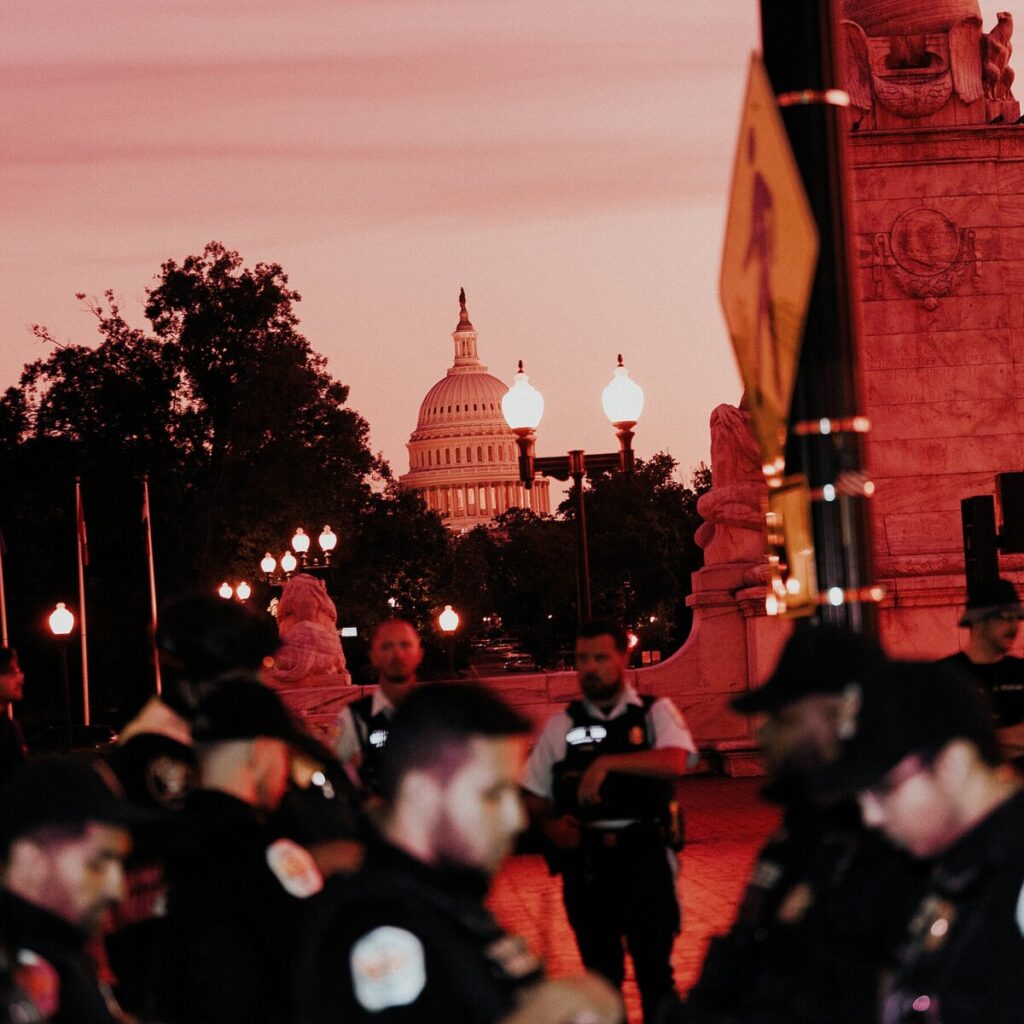
Trump Is Always Teaching Us About the Constitution
In a world increasingly polarized by political ideologies and governance styles, the distinction between authority and authoritarianism has never been more crucial. Authority, in its rightful sense, refers to the legitimate power exercised by individuals or institutions to maintain order, enforce laws, and ensure the welfare of society. It is characterized by transparency, accountability, and a respect for individual rights. Authoritarianism, on the other hand, emerges when this power is wielded excessively or without checks and balances, leading to the suppression of dissent, curtailment of freedoms, and often, the erosion of democratic principles. This fine line raises significant questions about governance and the role of citizens in holding their leaders accountable.
Recent global events have highlighted the dangers of slipping into authoritarianism. For instance, the responses of various governments to the COVID-19 pandemic showcased how authority can be misused. While some leaders implemented necessary health measures to protect public safety, others exploited the situation to consolidate power, restricting civil liberties under the guise of public health. Countries such as Hungary and Belarus have witnessed leaders tightening their grip on power, using emergency regulations as a means to stifle opposition and silence critical voices. These examples illustrate the precarious balance between maintaining order and infringing upon individual rights, prompting a broader discourse on the responsibilities of those in power and the vigilance required from citizens.
Furthermore, the rise of technology and social media has complicated this dynamic, as governments increasingly monitor and control information. Authoritarian regimes often leverage digital tools to surveil citizens, suppress dissent, and manipulate narratives, blurring the lines between legitimate governance and oppressive control. This situation calls for a renewed commitment to democratic values, emphasizing the need for transparency, accountability, and citizen engagement in governance. As society grapples with these challenges, it becomes imperative to define and defend the boundaries of authority, ensuring that power is exercised responsibly and that the rights of individuals are upheld. Ultimately, the question remains: how can societies cultivate a governance framework that respects authority while safeguarding against the descent into authoritarianism?
https://www.youtube.com/watch?v=vhjbY2lNpPk
Where is the line between authority and authoritarianism?


