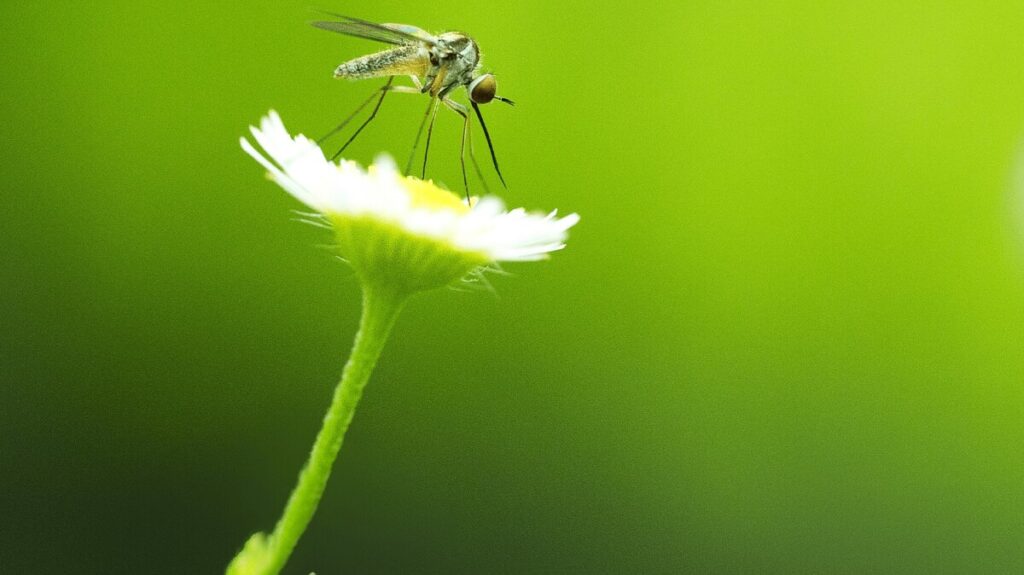
This mosquito death trap is all-natural and very deadly
In a groundbreaking study published in *Nature Microbiology*, researchers have unveiled an innovative approach to combating the global threat posed by mosquitoes, which are responsible for transmitting deadly diseases like malaria and dengue fever. In 2023 alone, malaria claimed over 500,000 lives across 83 countries, highlighting the urgent need for effective control measures. Traditional chemical pesticides have become less effective due to mosquito resistance, prompting scientists to explore more natural solutions. One promising avenue is the use of a specially engineered strain of the fungus *Metarhizium*, which has been modified to exploit the power of scent to lure and incapacitate mosquitoes.
The research team, led by entomologist Raymond St. Leger from the University of Maryland, discovered that certain fungi could mimic the sweet aroma of flowers, which naturally attract mosquitoes seeking nectar. By engineering *Metarhizium* to produce longifolene, a chemical commonly found in flowers, the team created a fungus that effectively entices mosquitoes into a deadly trap. Lab tests demonstrated the fungus’s efficacy, achieving a staggering 90 to 100 percent mortality rate among mosquitoes exposed to it, even in environments competing with human and floral scents. Notably, this fungus poses no harm to humans and breaks down naturally in the environment, making it a safer alternative to conventional pesticides.
The implications of this research extend beyond simply reducing mosquito populations; it offers a sustainable and adaptable tool for communities, particularly in economically disadvantaged regions where mosquito-borne diseases are on the rise due to climate change. The team is currently preparing for larger-scale outdoor trials to seek regulatory approval, with the hope of providing diverse and flexible options for mosquito control worldwide. As St. Leger aptly puts it, the goal is to equip communities with a variety of methods to combat mosquitoes, ultimately saving lives and enhancing public health in vulnerable areas. This innovative approach exemplifies how harnessing nature can lead to effective solutions against some of humanity’s most persistent challenges.
https://www.youtube.com/watch?v=ksCGH1HZOh8
Never underestimate the power of
fungi
. It can turn
ants into “zombies,”
help fictional plumbers
grow
, and even look like
creepy fingers
. One newly engineered strain of fungus uses the power of smell to kill Earth’s
deadliest animal
—mosquitoes.
Mosquito-borne diseases, including malaria and dengue, kill thousands of people per year. In 2023 alone, malaria killed
over 500,000 people in 83 countries
. These illnesses are often difficult to control, and
mosquitoes
have gotten better at
resisting chemical pesticides
that used to work.
However,
fighting nature with nature
could be one solution. A fungus called
Metarhizium
can be used to
deactivate mosquito sperm
, keeping the deadly ones from spreading disease. It may also help catch and kill the deadly insects.
Since mosquitoes are drawn to flowers, a team of researchers created a new strain of the
Metarhizium
fungus that imitates a flower’s sweet scent. That natural aroma comes from a chemical called longifolene in many types of flowers. The lab-grown fungus in this study essentially uses the longifolene to lure the bloodsucking mosquitoes to their deaths and is described in a
study recently published in the journal
Nature Microbiology
.
“Mosquitoes need flowers because they provide nectar, a crucial source of food for them, and they are drawn to flowers through their scents,”
Raymond St. Leger, a study co-author and entomologist at the University of Maryland, said in a statement
.
“After observing that some types of fungi could trick mosquitoes into thinking they were flowers, we realized we could turbo-charge the attraction by engineering fungi to produce more longifolene, a sweet-smelling compound that’s already very common in nature,” St. Leger said. “Before this study, longifolene wasn’t known to attract mosquitoes. We’re letting nature give us a hint to tell us what works against mosquitoes.”
Once the fungus spores are put into a container, the
longifolene
chemicals are released instantly. They can be effective for months because they also come out gradually and not in one initial burst.
Mosquitoes placed in a container.
Image: Mark Sherwood and Raymond St. Leger.
As soon as the mosquitoes encounter the fungus, they become infected and die within a few days. In lab tests, the fungus
killed 90 to 100 percent of mosquitoes
, even when it was placed in a large room and had to compete with the scents of humans and real flowers. While this fragrant fungus is deadly to mosquitoes, it does not hurt humans. Longiflorine is actually commonly used in perfumes.
“This makes it much safer than many chemical pesticides. We’ve also designed the fungus and its containers to target mosquitoes specifically rather than any other insects and longifolene breaks down naturally in the environment,” said St. Leger.
Using a natural alternative like this fungus may also make it difficult or impossible for mosquitoes to outsmart or avoid, as they have with chemical alternatives.
“If mosquitoes evolve to avoid longifolene, that could mean they’ll stop responding to flowers,” St. Leger explained. “But they need flowers as a food source to survive, so it would be very interesting to see how they could possibly avoid the fungus yet still be attracted to the flowers they need. It’ll be very difficult for them to overcome that hurdle, and we have the option of engineering the fungus to produce additional floral odors if they evolve to specifically avoid longifolene.”
Other
forms of
Metarhizium
are already used around the world
to ward off mosquitoes on cheap materials such as chicken droppings, rice husks, and wheat scraps. The affordability and simplicity of the fungus could be key to reducing mosquito disease-related deaths in many parts of the world, particularly in poorer regions in the global south where mosquito-borne diseases are expected to rise due to
climate change
. The same diseases that are currently limited to tropical regions could also begin to
threaten other places
due to rising global temperatures.
The team from this study is currently working on larger-scale outdoor trials of the new mosquito control method to submit for regulatory approval.
“It’s not as if you’re going to necessarily find a silver bullet to control mosquitoes everywhere, but we’re trying to develop a very diverse and flexible set of tools that people in different parts of the world can use and choose from,” St. Leger said. “Different people will find different approaches work best for their particular situation and the particular mosquitoes they’re dealing with. In the end, our goal is to give people as many options as possible to save lives.”
The post
This mosquito death trap is all-natural and very deadly
appeared first on
Popular Science
.


