Synthetic α-synuclein fibrils replicate in mice causing MSA-like pathology
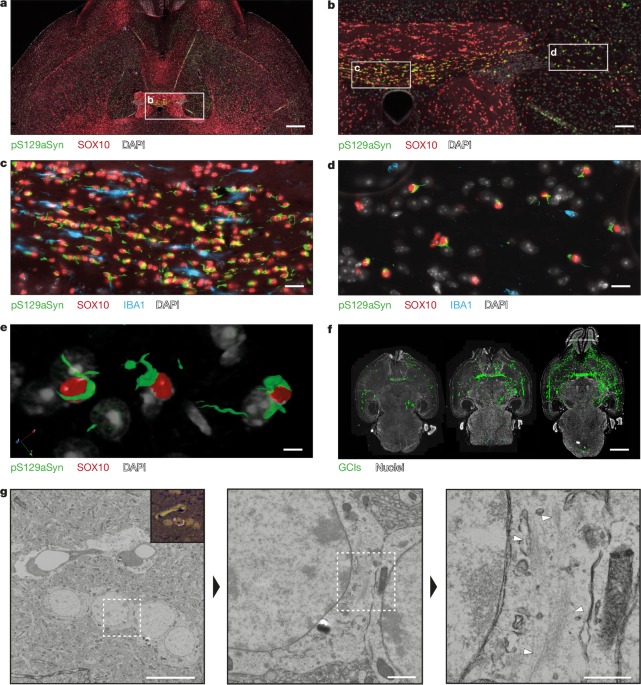
In a groundbreaking study published in *Nature*, researchers have identified a new synthetic fibril strain, designated as 1B, which displays self-replicating capabilities and has the potential to induce glial cytoplasmic inclusions (GCIs) in vivo in murine models. This discovery is particularly significant as it sheds light on the underlying pathology of multiple-system atrophy (MSA), a rare neurodegenerative disorder characterized by a range of debilitating symptoms, including motor dysfunction and autonomic failure. The identification of strain 1B not only enhances our understanding of MSA but also opens new avenues for research into the mechanisms of neurodegeneration and potential therapeutic targets.
The study highlights the structural features of the synthetic fibril strain 1B, which are believed to play a critical role in the pathological processes seen in individuals suffering from MSA. The ability of strain 1B to self-replicate suggests a prion-like mechanism, where misfolded proteins propagate and lead to cellular damage. In the experiments conducted, mice injected with strain 1B developed GCIs, a hallmark of MSA, indicating that this synthetic fibril can mimic the pathological features observed in human patients. This finding is pivotal as it provides a model for studying the disease’s progression and could facilitate the development of targeted therapies aimed at halting or reversing the effects of MSA.
Moreover, the implications of this research extend beyond MSA, as understanding the self-replicating nature of strain 1B could inform broader studies on other neurodegenerative diseases linked to protein misfolding, such as Alzheimer’s and Parkinson’s disease. The ability to replicate the pathological features of these disorders in a controlled laboratory setting allows for more precise investigations into their underlying mechanisms, potentially accelerating the discovery of effective treatments. As the scientific community continues to explore the complexities of neurodegeneration, the insights gained from the study of synthetic fibril strain 1B could be instrumental in advancing our knowledge and improving outcomes for those affected by these devastating conditions.
Nature, Published online: 05 November 2025;
doi:10.1038/s41586-025-09698-1
Synthetic fibril strain 1B is a pathogen that is capable of self-replication and inducing glial cytoplasmic inclusions in vivo in mice, and the structural features of 1B may underlie the pathology of individuals with multiple-system atrophy.


