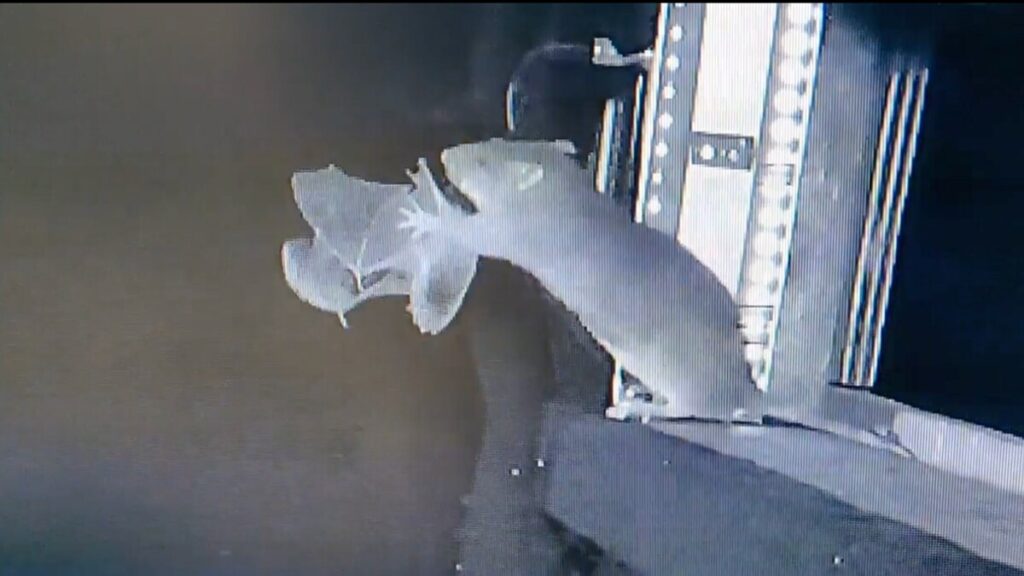
Wait, what? A RAT caught and ate a BAT? And there’s video! What does it portend?
In a groundbreaking study, scientists have captured remarkable footage of bats in their natural habitat, revealing new insights into their communication patterns during swarming. This research, published in the journal *Global Ecology and Conservation*, highlights the intricate social behaviors of bats as they gather in large groups, a phenomenon often seen during mating or foraging. However, the study uncovered an unexpected twist: in urban environments, these bats face predation not only from their natural enemies but also from an unlikely foe—urban rats. This interaction raises important questions about the challenges bats face in adapting to rapidly changing environments and the potential consequences for their populations.
The implications of these findings are significant, particularly concerning the relationship between bats and the spread of viruses to humans. Bats are known carriers of various zoonotic diseases, some of which have been linked to outbreaks in human populations. The encroachment of urban rats into bat habitats may exacerbate stress on bat populations, potentially leading to increased viral shedding and transmission. As bats struggle to coexist with urban wildlife, the risk of spillover events—where viruses jump from bats to other species, including humans—could rise. This study not only sheds light on the complex dynamics of urban ecosystems but also underscores the urgent need for further research into wildlife interactions and their implications for public health.
As urbanization continues to expand, understanding how species like bats adapt to these changes is crucial. The findings from this research emphasize the importance of preserving natural habitats and mitigating human-wildlife conflicts. By recognizing the interconnectedness of urban wildlife and the potential health risks they pose, conservation efforts can be better directed to protect both bat populations and public health. This study serves as a call to action for scientists, policymakers, and the public to consider the broader implications of urban wildlife interactions and to foster environments where both humans and wildlife can thrive.
https://www.youtube.com/watch?v=rk3YXugaE2w
Scientists filmed bats to see how they communicate while swarming. They found a surprise: In urban settings, rats attack bats. What are the implications for bats … and virus spread to humans?
(Image credit: Gloza-Rausch et al, Global Ecology and Conservation)


