Cal Thomas: A bad bet
In 2018, the Supreme Court’s landmark decision to strike down a federal ban on sports gambling opened the floodgates for individual states to regulate and legalize betting within their borders. As anticipated, this decision has led to a burgeoning sports betting industry, generating significant revenue streams for states eager to capitalize on this new source of income. However, the recent indictment of over 30 individuals, including notable figures from the NBA like Portland Trail Blazers coach Chauncey Billups and Miami Heat guard Terry Rozier, has cast a dark shadow over the integrity of the sport. Billups faces charges related to rigged poker games, while Rozier is accused of providing insider information to an illegal betting ring. The FBI’s sweeping investigation has extended across 11 states, revealing connections to organized crime, specifically three notorious Mafia families: the Gambinos, Bonnanos, and Genoveses.
The implications of these allegations are profound, especially as the NBA has positioned itself as a leader in the sports betting movement, partnering with platforms like FanDuel and DraftKings. In response to the indictments, the NBA emphasized its commitment to maintaining the integrity of the game, a pledge that now seems significantly compromised. The scandal raises critical questions about the motivations behind such risky behavior from high-earning athletes. What could drive individuals already making millions to engage in illegal activities for a fraction of that amount? The allure of instant cash and the thrill of bending the rules may play a role, yet the consequences could be disastrous, not only for those directly involved but for the broader perception of the sport itself.
Historically, gambling has been a contentious issue in American society, often linked to organized crime and societal vices. The comparison to Prohibition underscores the challenges of regulating behavior that many individuals engage in regardless of legality. The recent scandal echoes the infamous case of Pete Rose, who was banned from baseball for betting on games during his managerial tenure. As the NBA faces potential fallout from this scandal, including further indictments, calls for increased regulation of the gambling industry are likely to grow. The public’s trust in professional sports hangs in the balance, and the need for a robust framework to ensure fair play and accountability has never been clearer. As this situation unfolds, it may be time for Congress to reconsider the regulatory landscape surrounding sports gambling to protect both the integrity of the games and the welfare of the fans.
In 2018, the Supreme Court
voted 6-3
to strike down a federal law banning sports gambling, thus allowing individual states to decide whether to allow it, or not. It didn’t take a genius to predict what might happen, especially when politicians can find new sources of revenue beyond income, property and sales taxes.
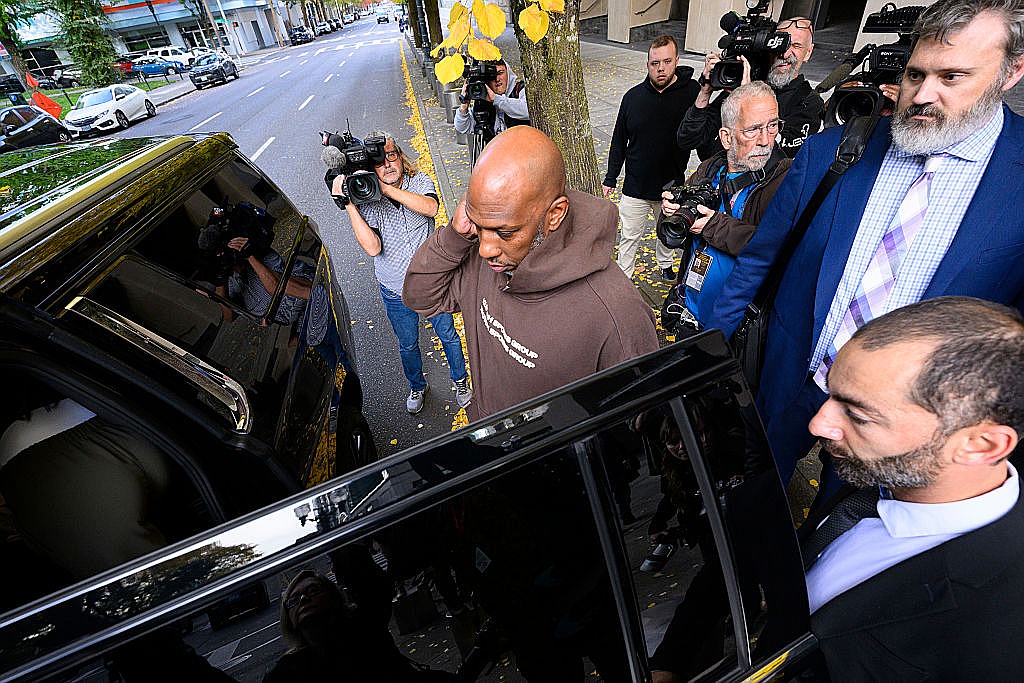
Last week, more than 30 people were indicted as part of a national sports betting scandal involving high-profile figures, including Portland Trail Blazers coach Chauncey Billups and Miami Heat guard Terry Rozier. Billups was charged in a scheme involving rigged poker games, and Rozier was charged for allegedly providing insider information to an illegal sports betting ring. A former player, Damon Jones, was also indicted for sharing insider information. The FBI said arrests were made in 11 states with more arrests likely to come.
What may have surprised many were allegations that these schemes are linked to three different Mafia families. Isn’t the Mafia the stuff of movies like “Goodfellas” and “The Godfather”? People may have thought crime families had been put out of business years ago by federal agents like Eliot Ness, then leader of a Chicago team known as the “Untouchables” that took on Al Capone. A TV series by that name ran from 1959 to 1963 and starred Robert Stack as Ness. The series captivated American audiences.
Three of the five crime families allegedly involved in sports betting and rigged poker games are familiar to people with long memories: the Gambinos, the Bonnanos and the Genoveses families.
The National Basketball Association, which has Fan Duel and Draft Kings as its “official” sports betting partners, issued a
statement
following the indictments. It read in part: “We take these allegations with the utmost seriousness, and the integrity of our game remains our top priority.”
The “integrity of our game” was the first thing to go. It will be difficult to get it restored.
One wonders how people making millions of dollars would be enticed by offers of a few hundred thousand dollars to do something they had to know was against the law. Perhaps it was the thrill one can get from such behavior. Perhaps it was the instant cash delivered to their doorsteps. Whatever it was is crazy stupid.
Not all vices can be regulated. Prohibition is usually presented as the worst example. While not everyone conforms to every law (if they did the prisons would be empty), the law sets a standard which tells people what history and societies have shown is best for them and the nation.
Gamblers, like the poor, we have always had with us, but when gambling (now called “gaming” to supposedly make it more palatable) becomes the norm and especially when it is advertised during breaks in NBA and NFL games, it sends a message that this vice is acceptable, even recommended. Putting in small print on the screen “Gambling problem?” and an 1-800 number to dial is not a quick fix for those who can’t afford to lose the rent or food money.
Cincinnati Reds star player
Pete Rose
was banned from baseball in 1989 for betting on games when he managed the club. After denying the allegation for years, Rose eventually admitted the charge which ended his eligibility for Hall of Fame consideration. He will be re-considered for admission when the special committee that decides who gets in meets in
December 2027
.
Given the scandal involving the NBA, with possibly more indictments to come, Rose should be granted admission to the Hall and Congress should consider more regulation of the gambling industry that could pass Supreme Court muster.
Readers may email Cal Thomas at
tcaeditors@tribpub.com
. Look for Cal Thomas’ latest book “A Watchman in the Night: What I’ve Seen Over 50 Years Reporting on America” (HumanixBooks).


