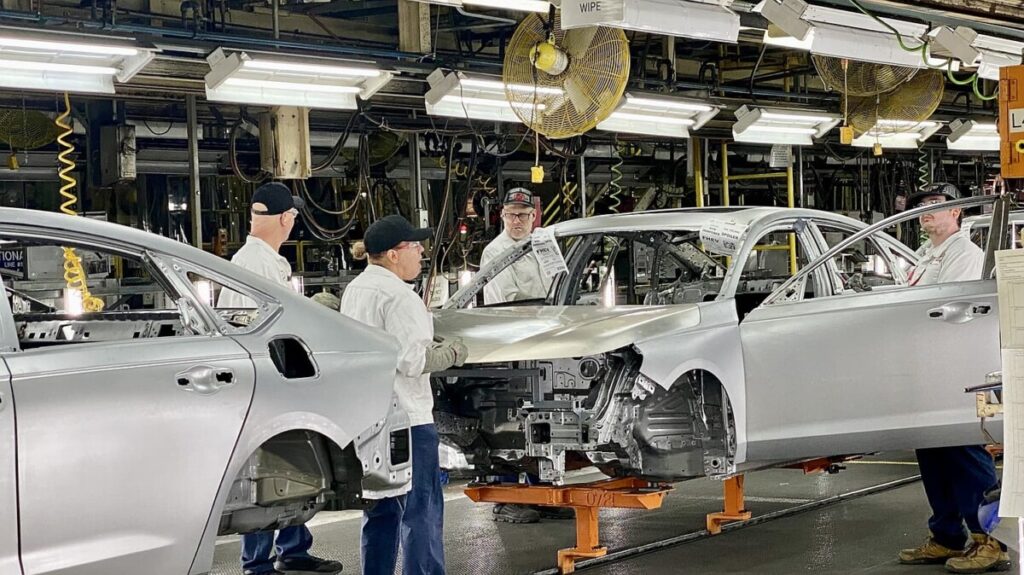
A ‘war room’ mentality: How auto giants are battling the Nexperia chip crunch
In a rapidly evolving global landscape, automotive manufacturers are facing a looming crisis due to potential semiconductor chip shortages, exacerbated by escalating geopolitical tensions between the United States and China. These microchips, essential for the production of modern vehicles, have become increasingly scarce, impacting everything from basic engine functions to advanced driver-assistance systems. The automotive industry, which has already been grappling with supply chain disruptions since the COVID-19 pandemic, is now at a critical juncture as it navigates the complexities of international relations that threaten to further constrict access to these vital components.
The semiconductor shortage is not just a fleeting issue; it has become a significant bottleneck for automakers worldwide. Major companies such as Ford, General Motors, and Toyota have had to scale back production, resulting in delays and increased vehicle prices. For instance, Ford recently announced that it would be reducing its production output due to the unavailability of chips, which has led to a backlog of orders and frustrated customers. This situation is compounded by the growing demand for electric vehicles (EVs), which require more chips than traditional gasoline-powered cars. As manufacturers ramp up their EV offerings to meet consumer demand and comply with stringent environmental regulations, the reliance on semiconductor technology only intensifies, making the stakes higher.
The geopolitical tensions between the U.S. and China are a significant factor in this unfolding crisis. Recent trade policies and restrictions have led to increased tariffs and export controls on semiconductor technologies, particularly those originating from the U.S. This has created an uncertain environment for manufacturers who rely on a stable supply chain. For example, China’s push for self-sufficiency in semiconductor production has led to increased investment in domestic chip manufacturing, but it will take time for these initiatives to bear fruit. In the meantime, automakers are exploring alternative sourcing strategies and diversifying their supply chains to mitigate risks. However, the urgency of the situation cannot be overstated, as the automotive industry must adapt to these geopolitical realities while striving to maintain production levels and meet consumer expectations. The outcome of this semiconductor crisis will undoubtedly shape the future of the automotive landscape in the coming years.
Related articles:
– Link 1
– Link 2
Global automakers are bracing for a potential shortage of automotive semiconductor chips sparked by geopolitical tensions between the U.S. and China.