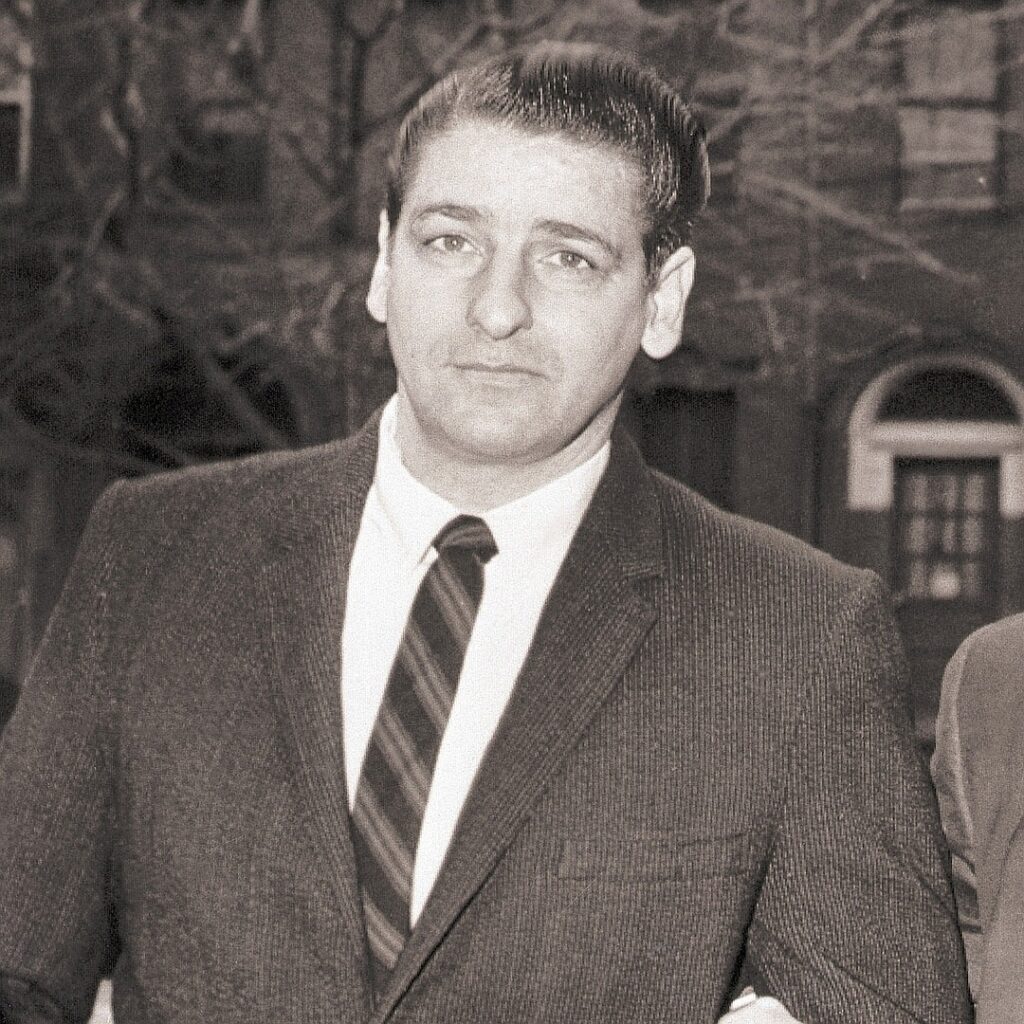
Who Was the Boston Strangler: Case Against Albert DeSalvo Explained
In November 1964, Albert DeSalvo was arrested by Cambridge, Massachusetts police, but the charges against him were not related to the infamous crimes that would later define his legacy. At the time, the 33-year-old handyman was apprehended for robbery and sexual assault, crimes that had already marked him as a dangerous individual. DeSalvo’s life took a dramatic turn during his time in custody when he confessed to a series of brutal murders that had terrorized the Boston area, collectively known as the “Boston Strangler” killings. This string of murders, which spanned from 1962 to 1964, claimed the lives of 13 women, primarily targeting those living alone in their homes. The chilling nature of these crimes, characterized by sexual assault and strangulation, shocked the community and garnered extensive media attention, creating a climate of fear in the region.
Once in custody, DeSalvo’s confessions captivated law enforcement and the public alike. He provided gruesome details about the murders, leading investigators to believe they had finally captured the elusive Boston Strangler. However, the veracity of his confessions was met with skepticism, as there was a lack of physical evidence linking him to many of the crimes. In 1967, DeSalvo was convicted of other crimes and sentenced to life in prison for his role in the sexual assaults and robberies, but he was never formally charged with the murders. His confessions remained a point of contention, as some experts argued that he may have fabricated details to gain notoriety or to escape the harsh realities of his life behind bars.
DeSalvo’s story took another twist in 1973 when he was murdered in prison, leaving many questions unanswered. For decades, the identity of the Boston Strangler remained shrouded in mystery, with various theories and suspects emerging over the years. It wasn’t until 2013 that DNA evidence linked DeSalvo to the murder of Mary Sullivan, the last known victim of the Boston Strangler. This revelation reignited interest in the case, prompting discussions about the complexities of criminal confessions, the reliability of eyewitness testimony, and the challenges faced by law enforcement in solving serial crimes. DeSalvo’s life and the murders attributed to him continue to serve as a haunting reminder of the darker aspects of human nature and the relentless pursuit of justice.
Related articles:
– Link 1
– Link 2
When Albert DeSalvo was arrested by Cambridge, Mass., police in November 1964, it wasn’t for murder.
Rather, the 33-year-old handyman was wanted for robbery and sexual assault.
After being judged…