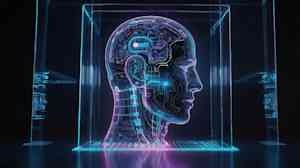
Vision Restored Using Prosthetic Retinal Implant
In a groundbreaking advancement in medical technology, researchers have developed a system that utilizes a camera mounted on glasses to transmit images directly to a patient’s artificial retina, significantly enhancing the visual experience for those suffering from severe vision impairment. This innovative approach is particularly beneficial for individuals with conditions such as retinitis pigmentosa or age-related macular degeneration, which can lead to complete blindness. By bypassing damaged retinal cells and directly stimulating the remaining functional cells, this technology aims to restore a degree of sight, offering newfound independence and quality of life to patients.
The system comprises a pair of specially designed glasses equipped with a miniature camera that captures the surrounding environment. The captured images are then processed and wirelessly transmitted to an implanted artificial retina, which converts the images into electrical signals that stimulate the remaining retinal cells. This process allows patients to perceive shapes, movements, and even some colors, providing them with a visual input that was previously unattainable. Clinical trials have shown promising results, with many participants reporting improved navigation and interaction with their surroundings. For instance, one patient described the experience of recognizing their family members and objects in their home for the first time in years, underscoring the profound impact of this technology on personal relationships and everyday life.
The implications of this technology extend beyond individual patients; they represent a significant leap forward in the field of ophthalmology and neuroprosthetics. As research continues to refine and enhance the system, there is potential for broader applications, including the development of more sophisticated visual aids that could cater to various types of vision loss. Furthermore, the integration of artificial intelligence and machine learning could lead to even more advanced systems capable of adapting to different environments and lighting conditions. As we move forward, the collaboration between engineers, medical professionals, and patients will be crucial in optimizing these technologies, ensuring that they meet the diverse needs of those affected by vision loss. This innovative approach not only sheds light on the future of vision restoration but also highlights the importance of continued investment in research and development to bring such life-changing technologies to those who need them most.
Related articles:
– Link 1
– Link 2
A camera attached to glasses transmits the image on the right to a patient’s artificial retina.